Are you ready to bring your creative ideas to life with resin crafts? Whether you’re a beginner or looking to sharpen your skills, resin crafts tutorial videos DIY can be your perfect guide.
These easy-to-follow videos show you step-by-step how to make stunning projects like coasters, jewelry, and decorative pieces right at home. Imagine turning simple materials into beautiful art that you can proudly display or gift to loved ones. By watching the right tutorials, you’ll save time, avoid common mistakes, and unlock new techniques that make your crafting experience enjoyable and rewarding.
Stick with us, and you’ll soon discover how fun and satisfying resin crafting can be!

Choosing Resin Types
Choosing the right type of resin is key to a successful resin craft project. Resin comes in various forms, each suited for different uses and finishes. Understanding the benefits of each type helps you pick the best resin for your DIY crafts. This guide breaks down common resin types and their uses.
Epoxy Resin Benefits
Epoxy resin is popular for its strong and durable finish. It has a long working time, allowing you to fix mistakes. Epoxy resin cures clear and glossy, perfect for coasters and trays. It resists yellowing and scratches, keeping crafts looking new. Mixing is required before use, but this allows adding pigments and glitter. Epoxy is ideal for larger projects needing a smooth finish.
Uv Resin Advantages
UV resin cures quickly under a UV light, taking just minutes. It does not need mixing, making it easy for beginners. UV resin is great for small items like jewelry and keychains. It produces a hard, clear surface with a shiny look. Because it cures fast, you can complete many pieces in one session. UV resin is less suited for large projects due to its quick curing time.
Project-based Resin Selection
Choose resin based on your project size and time. Use epoxy resin for big crafts that need a strong finish. Pick UV resin for quick, small projects with detailed work. Consider the curing time and finish you want before buying. For beginners, UV resin offers an easy start. For advanced projects, epoxy resin gives more control and durability.
Essential Materials
Starting resin crafts requires certain key materials. These materials help you create beautiful and lasting projects. Knowing what to gather before you begin saves time and frustration. Each item has a specific role in the crafting process. Let’s explore the essential materials you need for resin crafts.
Silicone Molds
Silicone molds shape your resin into fun and creative forms. They come in many shapes like circles, squares, and hearts. Silicone is flexible, so it is easy to remove your finished piece. It does not stick to resin, which helps in clean releases. Use molds that match your project size and style.
Colorants And Additives
Colorants add life and personality to your resin creations. You can use liquid dyes, mica powders, or alcohol inks. Each colorant mixes differently with resin. Additives like glitter or small decorations make your project unique. Experiment with colors and effects to find your favorite look.
Safety Gear
Safety is important when working with resin. Always wear gloves to protect your skin from resin contact. Use a mask to avoid breathing in fumes. Work in a well-ventilated area to reduce inhalation risks. Safety glasses protect your eyes from splashes. Keep safety gear nearby and use it at all times.
Basic Tools Needed
Starting resin crafts requires some basic tools. These tools help you mix, measure, and cure resin properly. Having the right supplies makes your DIY projects easier and more fun. Below are the essential tools you need for resin crafting.
Mixing Supplies
You need containers to mix resin and hardener. Use clear, disposable cups for easy cleanup. Stir sticks help blend the two parts thoroughly. Silicone spatulas work well to scrape the sides and bottom. Mixing slowly avoids bubbles and gives a smooth finish.
Measuring Equipment
Accurate measuring is key for good results. Use small measuring cups with clear markings. Digital scales can measure resin by weight for precision. Measuring spoons also work for small amounts. Correct ratios prevent sticky or soft resin pieces.
Curing Lights
Some resins cure with UV light. UV lamps or LED curing lights speed up the hardening process. These lights help with small projects like jewelry or charms. Make sure the light matches your resin type for best results.

Step-by-step Project Guide
Starting a resin craft project can seem tricky. A clear, step-by-step guide helps make the process simple and fun. This section breaks down each stage of the resin craft project. Follow these steps to create beautiful resin art with confidence.
Preparing Your Workspace
Choose a clean, flat surface for your resin project. Cover it with plastic or wax paper to protect from spills. Gather all tools and materials before you begin. Good lighting helps you see details clearly. Keep a fan or open window for ventilation.
Mixing Resin Correctly
Measure resin and hardener exactly as the instructions say. Pour both into a mixing cup. Stir slowly and steadily for at least three minutes. Avoid whipping air into the mixture. Proper mixing prevents sticky or soft resin.
Adding Colors And Effects
Add resin dyes, pigments, or glitter to the mixed resin. Use small amounts to start, then add more if needed. Mix gently to spread colors evenly. Experiment with layering different colors for unique effects. Avoid too much color, which can weaken the resin.
Pouring And Layering
Pour resin slowly into your mold or onto your project base. Use a stick to spread resin evenly if needed. For layers, wait until the first layer is slightly firm before adding the next. Layering adds depth and interest to your design.
Removing Bubbles
Use a heat gun or torch lightly over the resin surface. Keep the tool moving to avoid burning resin. This process helps pop air bubbles trapped inside. A toothpick can help remove bubbles near edges. Clear resin looks smooth and professional without bubbles.
Curing Process Tips
Leave your resin project in a dust-free area to cure. Keep it flat and undisturbed for the time recommended. Avoid touching or moving it during curing. Room temperature affects curing time; warmer rooms cure faster. After curing, resin becomes hard and shiny.
Popular Beginner Projects
Many beginners start resin crafting with simple, fun projects. These projects teach basic techniques and build confidence. Easy-to-make items also allow quick results, making crafting enjoyable. Popular beginner projects include resin coasters, jewelry pieces, and keychains.
Resin Coasters
Resin coasters are a favorite for new crafters. Use silicone molds in shapes like circles or squares. Add color with alcohol inks, mica powders, or glitter. Coasters dry hard and protect surfaces from moisture. They are practical and stylish home accessories.
Jewelry Pieces
Making resin jewelry is simple and creative. Small molds create pendants, earrings, or rings. Embed dried flowers, beads, or tiny charms inside resin. Jewelry projects help beginners learn mixing and curing times. Finished pieces are lightweight and unique.
Keychains And Charms
Keychains and charms are perfect for quick resin projects. Use small molds or create freeform shapes. Add colors, glitters, or tiny decorations for personal touch. These projects teach precise resin pouring and safe handling. They make great gifts or personal accessories.
Common Mistakes To Avoid
Resin crafting offers endless creative possibilities. Many beginners start with enthusiasm but face common challenges. Avoiding these mistakes helps ensure success and enjoyment. Learn what to watch out for during your resin projects.
Incorrect Mixing Ratios
Mixing resin and hardener in wrong amounts leads to sticky or soft results. Follow the instructions on your resin package carefully. Use precise measuring tools for accuracy. Stir slowly to avoid bubbles. Proper mixing ensures a smooth, hard finish.
Poor Mold Selection
Choosing the wrong mold affects the final shape and ease of removal. Silicone molds are best for resin crafts because they are flexible. Avoid rigid molds that can trap resin and cause damage. Pick molds that fit your project size and design.
Ignoring Safety Precautions
Resin can cause skin irritation and harmful fumes. Always wear gloves and work in a well-ventilated area. Protect your workspace with plastic or paper. Keep resin away from children and pets. Safety is key for a healthy crafting experience.
Troubleshooting Tips
Working with resin can be fun, but sometimes problems happen. Knowing how to fix common issues saves time and materials. This section gives clear tips to solve typical problems in resin crafts. These solutions help you get smooth, shiny, and strong resin pieces every time.
Sticky Or Soft Resin
Sticky resin means it did not cure fully. This happens if the mix ratio is wrong or the resin was not stirred well. Measure resin and hardener carefully. Stir slowly but thoroughly for at least three minutes. Avoid mixing too fast to reduce bubbles. Temperature also matters. Resin cures best between 70°F and 75°F. If it is too cold, the resin stays soft. Keep your workspace warm and dry.
Cloudy Finish
A cloudy resin surface looks dull and unclear. This issue occurs when moisture gets inside the resin. Work in a dry place with low humidity. Use fresh resin and hardener. Avoid opening containers outside on humid days. Pour resin slowly to reduce air mixing. Cover your project while curing to keep dust and moisture away. Use a heat gun or torch carefully to clear minor cloudiness by popping surface bubbles.
Cracks And Bubbles
Cracks appear if resin cures too fast or if layers are too thick. Pour resin in thin layers and let each layer cure well. Keep your workspace at a steady temperature. Bubbles form from mixing too fast or trapped air in the mold. Stir resin slowly. Use a heat gun or torch right after pouring to remove bubbles. Tap the mold gently to bring bubbles to the surface. Avoid shaking or moving resin after pouring.
Care And Maintenance
Caring for resin crafts keeps them beautiful and lasting longer. Proper care helps avoid damage and maintains shine. Simple steps protect your handmade pieces effectively.
Cleaning Resin Crafts
Use a soft cloth to wipe resin surfaces gently. Avoid harsh chemicals that can dull the finish. Warm water with mild soap works well for most resin items. Dry the craft completely after cleaning to prevent water spots. For stubborn dirt, use a soft brush carefully.
Storage Recommendations
Store resin crafts away from direct sunlight to stop fading. Keep them in a cool, dry place to avoid warping. Use soft padding or cloth bags to prevent scratches. Avoid stacking heavy items on resin crafts to keep their shape intact. Proper storage maintains the craft’s original look and feel.
Extending Durability
Apply a clear resin topcoat to add extra protection. Handle crafts with clean hands to reduce oils and dirt buildup. Avoid exposure to extreme temperatures, which can cause cracking. Keep resin pieces away from sharp objects to prevent scratches. Regular care extends the life and beauty of your resin crafts.
Creative Inspiration
Resin crafts offer endless creative possibilities. Each project can turn simple materials into beautiful art. DIY resin videos help spark fresh ideas and techniques. You can learn how to add depth, color, and texture with resin. Exploring new methods keeps your crafting exciting and unique.
Try mixing different elements to see what effects you can create. Small details often make the biggest impact in resin art. With practice, your skills and creativity will grow quickly.
Incorporating Inclusions
Inclusions are objects you embed in resin for decoration. Think dried flowers, glitter, beads, or tiny charms. These add interest and a personal touch to your pieces. Place them carefully before pouring resin to avoid bubbles. Watching tutorials can show you how to arrange inclusions beautifully.
Using Alcohol Inks
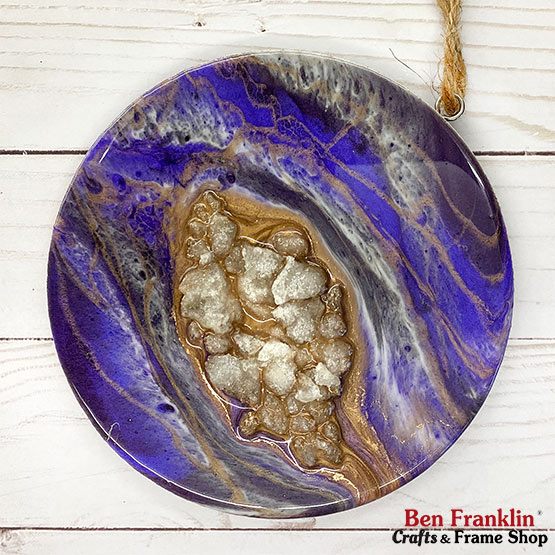
Alcohol inks create vibrant colors inside resin. They spread and blend in unique ways when dropped on wet resin. This technique adds a marbled or tie-dye effect. You can make bright coasters, jewelry, or abstract art. Videos guide you through controlling the flow of inks.
Combining Resin With Other Materials
Mix resin with wood, metal, or fabric for mixed-media crafts. This combination creates texture and contrast in your designs. Wood slices with resin inlays are popular projects. Adding metal flakes or fabric pieces adds dimension and style. Tutorials explain how to bond these materials safely with resin.
Frequently Asked Questions
What Is The Best Beginner Resin Project?
The best beginner resin project is making coasters. Use silicone molds and add alcohol inks or glitter for simple, creative designs. Coasters require minimal materials and offer quick, satisfying results, making them perfect for beginners learning resin techniques.
What Should You Not Put In Resin?
Avoid putting silicone, Teflon, polyethylene, polypropylene, or oily/acidic materials in resin. These prevent proper adhesion and curing.
What Is The Difference Between Epoxy Resin And Craft Resin?
Epoxy resin suits large, durable projects with long curing times and professional finishes. Craft resin (UV resin) cures quickly under UV light, ideal for small, detailed items. Choose based on project size, durability needs, and curing speed.
What Sells Best With Resin Art?
Resin art sells best as coasters, jewelry, trays, keychains, and home décor items. These pieces attract buyers for their unique designs and durability.
Conclusion
Resin crafts open a world of creative possibilities for everyone. Watching tutorial videos helps you learn step-by-step techniques easily. Start with simple projects like coasters to build your skills. Choose the right resin type based on your project size and finish.
Practice regularly to gain confidence and improve results. Enjoy the process and express your unique style through resin art. Keep exploring new ideas and materials to keep crafting fun. Resin crafts bring joy and beautiful handmade items to your life.