Have you ever wondered why Indigenous arts and crafts hold a special place in so many cultures around the world? These unique creations are more than just beautiful objects—they carry stories, traditions, and values that connect you to something much bigger.
When you explore Indigenous arts and crafts, you’re not only appreciating amazing skill and creativity, but you’re also supporting communities and preserving heritage. Keep reading to discover how these incredible works can enrich your life in ways you might never have expected.
Cultural Identity And Heritage
Indigenous arts and craftshelp keep old traditions alive. They show how people lived and what they believed. These arts pass on skillsfrom one generation to the next. They teach children about their historyand culture.
Many crafts tell community stories. Each piece has a special meaning. These stories connect people and help them feel proud of who they are. Arts and crafts also show the unique stylesof different groups. This helps keep their culture strong and known.
Economic Empowerment
Supporting local artisanshelps communities earn steady income. Artisans can sell their crafts directly to buyers. This creates jobs and keeps traditions alive. Local skills and knowledge get passed to younger generations. It also builds pride and respect for culture.
Boosting sustainable tourismbrings visitors interested in culture and nature. Tourists spend money on crafts, food, and tours. This money stays in the community and helps protect the environment. Small businesses grow, and new opportunities appear. Tourists learn about customs and support local people.
Educational Value
Learning through arthelps children develop creativity and focus. Making crafts teaches important skills like patience and problem-solving. Students can understand history and stories by creating traditional art. Art projects connect learners to different cultures and traditions in a fun way. This hands-on learning makes lessons more memorable and exciting.
Promoting cultural awarenessbuilds respect for different communities. Indigenous arts show unique stories and values from many groups. Seeing and making these crafts helps people appreciate diversity. It also encourages conversations about history and identity. This awareness brings people closer and helps preserve important traditions.

Credit: www.youtube.com
Environmental Connection
Indigenous arts and crafts use natural materialslike wood, clay, and fibers. These materials come from the environmentand do not harm it. Artists gather them with care, making sure to protect naturefor future use.
Using natural materials helps keep the ecosystem healthy. It also reduces waste because these materials break down easily. This practice supports eco-friendly habitsand lowers pollution.
Many indigenous artists teach others how to use these materials responsibly. This keeps the tradition alive and encourages respect for nature. Such crafts show a deep connection to the earthand its resources.
Innovation And Creativity
Indigenous arts and craftsmix old stories with new ideas. This blending of tradition with modernityhelps artists create fresh, unique works. They use ancient patterns and add new colors or shapes. This keeps their culture alive and interesting for everyone.
Many artists take old tools and change them a little. This makes their art special and shows innovation and creativity. They inspire others by making things that feel both old and new at once.
Contemporary artoften borrows from indigenous styles. This shows respect and helps keep old skills alive. People enjoy seeing how old stories fit into today’s world. It opens minds and builds connections between cultures.

Credit: www.sciencedirect.com
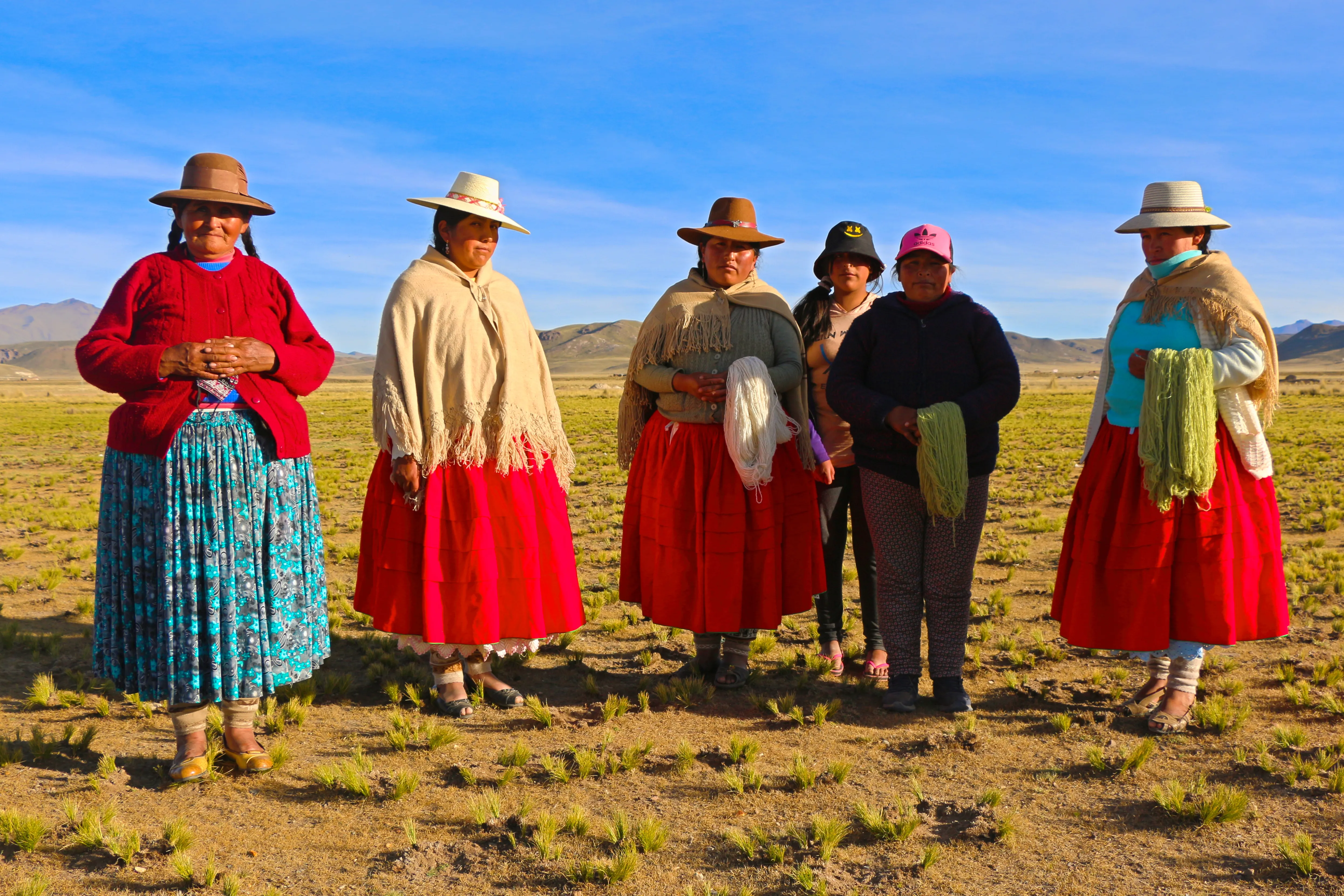
Credit: adorno.design
Frequently Asked Questions
What Cultural Value Do Indigenous Arts And Crafts Hold?
Indigenous arts and crafts preserve unique cultural stories and traditions. They connect communities to their heritage. These artworks showcase ancient skills and beliefs, fostering cultural pride. They also educate others about Indigenous histories and values, promoting respect and understanding.
How Do Indigenous Crafts Support Local Economies?
Indigenous crafts create job opportunities and generate income for artisans. Selling authentic handmade products promotes sustainable economic growth. It encourages tourism and strengthens community businesses. Supporting these crafts helps preserve traditional skills and empowers Indigenous entrepreneurs.
Why Are Indigenous Arts Important For Cultural Identity?
Indigenous arts express unique identities and ancestral connections. They reflect a community’s history, beliefs, and values visually. Creating and sharing art strengthens cultural pride and unity. It helps younger generations understand and cherish their heritage.
How Do Indigenous Crafts Contribute To Environmental Sustainability?
Indigenous artisans often use natural, locally sourced materials. They practice eco-friendly techniques passed down through generations. These crafts promote sustainable resource use and respect for nature. Supporting Indigenous arts encourages environmentally conscious production and consumption.
Conclusion
Indigenous arts and crafts bring culture to life. They keep traditions alive for new generations. These crafts support local communities and create jobs. They also offer unique, beautiful items not found elsewhere. By appreciating these arts, we respect and learn from diverse cultures.
Everyone benefits from sharing these special skills and stories. Supporting indigenous crafts helps protect heritage worldwide. It’s a simple way to connect with history and creativity. The value of these arts goes beyond just products. They remind us of the richness in every culture’s past and present.