Have you ever noticed how your child’s face lights up when they paint, draw, or build something with their hands? Art and craft aren’t just fun activities—they play a powerful role in your child’s growth.
When your child creates, they’re not only expressing themselves but also developing important skills that shape their future. If you want to understand how these simple activities can boost your child’s creativity, confidence, and learning, keep reading. This article will show you why art and craft are more than just play—they are essential tools for your child’s development.

Credit: ladybugcc.com
Role In Cognitive Growth
Art and craft activities play a big role in a child’s brain growth. They help children think better and learn new skills. These activities make the brain work in many ways. They improve how kids solve problems and remember things. Art and craft also help children focus on tasks for longer times. This boosts their learning in school and daily life.
Enhancing Problem-solving Skills
Art and craft encourage children to find new ways to create. They learn to try different ideas and fix mistakes. This builds strong problem-solving skills. Kids think about shapes, colors, and tools to reach their goals. They learn how to plan steps to finish their work. These experiences teach children to be patient and creative.
Boosting Memory And Concentration
Working on art projects helps children remember details. They recall colors, patterns, and instructions during activities. This practice strengthens their memory power. Crafting also needs focus, which improves concentration. Kids learn to pay attention for longer periods. This skill helps them perform better in school tasks and daily chores.
Fostering Emotional Expression
Art and craft give children a safe space to share their feelings. Through colors, shapes, and textures, kids express thoughts they cannot say out loud. This creative process helps children understand their emotions better. It also builds their confidence to show what they feel inside.
Expressing emotions through art can reduce stress and anxiety in children. It allows them to explore happy, sad, or confusing feelings in a calm way. This helps children grow emotionally and socially. They learn to recognize and manage their feelings with ease.
Building Self-esteem
Creating art boosts children’s self-esteem. Completing a project gives them a sense of achievement. It shows they can solve problems and make choices. Positive feedback from adults and peers makes them feel proud. This pride encourages them to try new things and believe in themselves.
Managing Emotions Through Art
Art helps children control strong feelings. Drawing or molding clay calms their mind and body. It offers a way to release anger or sadness without harm. Children learn to handle stress through creative activities. This skill supports their emotional health and well-being.
Developing Motor Skills
Developing motor skills is a key part of child growth. Art and craft activities help children use their hands and fingers in new ways. These actions build strength and control. Fine movements become easier. Kids gain confidence by making things on their own.
Art projects require small, careful actions. Crafting also teaches children how to coordinate their eyes and hands. These skills are essential for everyday tasks like writing, buttoning clothes, and using utensils. The more children practice, the better their motor skills become.
Fine Motor Coordination
Fine motor coordination means controlling small muscles in the hands and fingers. Cutting paper, coloring inside lines, and folding shapes all develop these muscles. These tasks improve dexterity and precision. Children learn to hold tools like crayons or scissors properly. This skill is important for schoolwork and daily activities.
Hand-eye Coordination
Hand-eye coordination is the ability to use the eyes and hands together smoothly. Crafting helps children match what they see with how they move. For example, placing beads on a string requires careful sight and touch. This skill supports writing, catching a ball, and using tools. Art and craft make these skills stronger and more accurate.
Credit: www.21kschool.com
Encouraging Social Interaction
Encouraging social interaction through art and craft helps children build strong relationships. It creates chances for kids to meet, share ideas, and work together. These activities bring children closer and teach them how to cooperate. Social skills grow naturally in a fun and creative space.
Collaborative Projects
Group art projects make children work as a team. They learn to listen and respect others’ ideas. Sharing materials and tools teaches patience and fairness. Kids feel proud when they complete a project together. This builds trust and friendship among them.
Communication Skills
Art and craft help children express thoughts without words. Talking about their work improves vocabulary and confidence. They learn to explain their ideas clearly. Listening to friends’ stories boosts understanding and empathy. Communication grows in a relaxed and creative setting.
Stimulating Creativity And Imagination
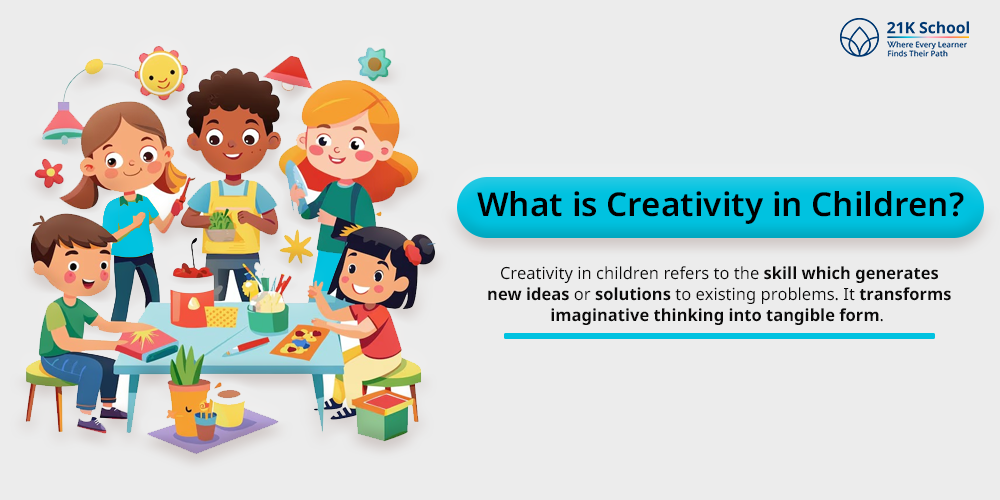
Art and craft play a big role in growing a child’s creativity and imagination. These activities give children the chance to think freely and express themselves in new ways. Through drawing, painting, and building, kids learn to look beyond what is real and dream up fresh ideas. This growth in creativity helps children not just in art, but in solving problems and understanding the world.
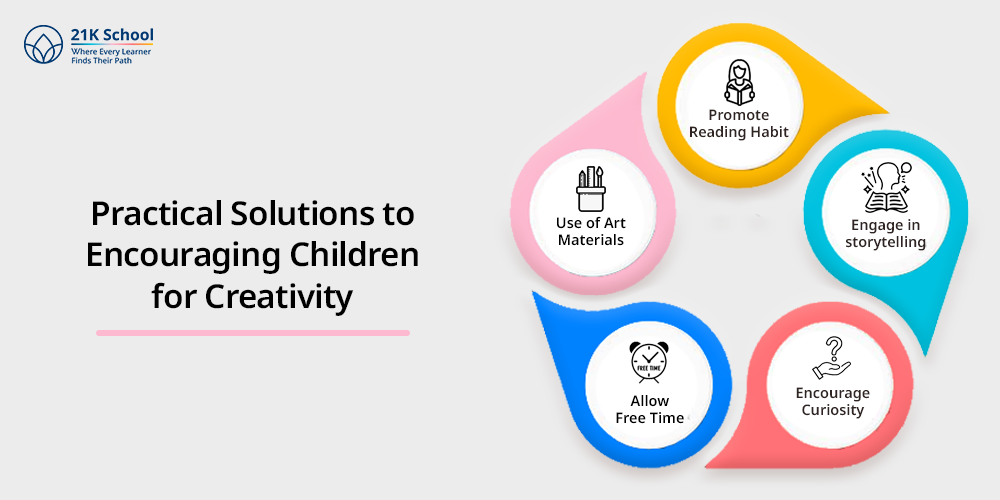
Creative play in art and craft sets the stage for children to explore without limits. It encourages curiosity and opens their minds to endless possibilities. This freedom to create builds confidence and helps children trust their own ideas.
Innovative Thinking
Art and craft help children develop innovative thinking. They learn to mix colors, shapes, and materials to create something new. This process trains their brain to think differently and find unique solutions. Children begin to see challenges as chances to try new approaches. Innovative thinking is a skill that benefits children in school and life.
Exploring New Ideas
Through art, children explore new ideas without fear of mistakes. They experiment with different tools and styles. This exploration teaches them that trying new things is good. It expands their imagination and lets them discover what they enjoy. Exploring ideas through art also helps children learn patience and focus.
Integrating Art In Education
Integrating art into education helps children learn in many ways. Art and craft activities make lessons more fun and interesting. They also help students express their ideas and feelings clearly. Schools that include art see students become more active and eager to learn. Art supports growth beyond just drawing or painting. It builds skills useful in other subjects and life.
Improving Academic Performance
Art activities improve focus and memory. Children remember lessons better through drawing or crafting. This hands-on learning helps them understand complex ideas. Art also boosts problem-solving skills needed in math and science. Students who engage in art often perform better in tests. Creativity sparks new ways to approach academic challenges.
Cross-disciplinary Benefits
Art connects with many school subjects. It teaches children to observe details and patterns. These skills are useful in reading and science. Craft projects encourage planning and organization, which help in writing. Art also promotes teamwork and communication in group tasks. These cross-disciplinary skills prepare children for future success.
Long-term Benefits For Lifelong Skills
Art and craft activities teach children skills that last a lifetime. These activities help develop qualities that benefit many areas of life. Children learn more than just how to create. They gain important traits that shape their future success.
Creative projects build a strong foundation for handling challenges. They prepare children to face difficulties with a calm and steady mind. These lessons stay with them as they grow and meet new situations.
Building Resilience
Art helps children learn to bounce back from mistakes. When a project does not turn out well, kids try again. This practice builds resilience, the ability to keep going despite failure. Resilience supports emotional strength and reduces fear of trying new things. Children become confident in solving problems and adapting to change.
Encouraging Persistence And Patience
Crafts require time and effort to complete. Children learn to be patient while working on detailed tasks. They discover that success often comes after repeated attempts. This persistence teaches focus and discipline. These skills help children stay committed to goals in school and life. Patience also improves their ability to concentrate and enjoy the process.
Credit: www.21kschool.com
Frequently Asked Questions
What Role Does Art And Craft Play In Child Development?
Art and craft activities enhance creativity, fine motor skills, and problem-solving in children. They boost emotional expression and cognitive growth, making learning engaging and effective.
How Does Art Improve A Child’s Cognitive Skills?
Art stimulates brain development by encouraging critical thinking and decision-making. It helps children understand concepts visually, improving memory and focus in various learning areas.
Can Art And Craft Boost A Child’s Emotional Well-being?
Yes, art offers a safe outlet for children to express feelings. It reduces stress, builds confidence, and promotes positive emotional health through creative exploration.
Why Is Fine Motor Skill Development Important In Art Activities?
Fine motor skills help children with hand-eye coordination and precision. Art tasks like cutting and drawing strengthen these skills, aiding in writing and daily tasks.
Conclusion
Art and craft help children grow in many ways. They improve creativity and problem-solving skills. Kids learn to focus and express feelings through their work. These activities also boost hand-eye coordination and fine motor skills. Social skills grow when children share and work together.
Art and craft make learning fun and meaningful. They build confidence and encourage curiosity. Every child benefits from time spent creating. A strong foundation for future learning starts here.