Are you ready to create stunning resin art but keep running into frustrating problems? Small mistakes can ruin hours of hard work, leaving your projects sticky, cloudy, or weak.
You might not realize how simple errors—like mixing too fast or ignoring temperature—can affect your final piece. By spotting these common pitfalls early, you’ll save time, avoid costly messes, and bring your resin creations to life with flawless results. Keep reading to discover the key mistakes you need to avoid to make your resin art shine every time.
Key Takeaways
Avoid common resin art mistakes to achieve smooth, clear finishes. Proper mixing, curing, and workspace setup make all the difference. Small errors can cause big flaws, so pay close attention to each step.
Understanding the essential points can help you avoid common pitfalls and achieve stunning resin art results. Here are the crucial lessons to keep in mind for flawless projects:- Accurate measurement of both resin and hardener is vital; even slight deviations can prevent the mixture from setting properly, compromising strength and durability.
- Mixing the resin blend slowly and consistently for about 3 to 5 minutes ensures a uniform mixture, preventing tacky areas and partial curing.
- Stirring too quickly traps air within the resin, creating bubbles that mar the surface and diminish the piece’s clarity and smoothness.
- Paying attention to the workshop’s temperature and humidity levels is critical, as unfavorable conditions can disrupt the curing process and cause imperfections.
Not Reading Instructions
Understanding and adhering to the manufacturer’s instructions is a crucial step often overlooked in resin art projects. Skipping this vital phase can lead to disappointing results, wasting time and materials.Neglecting to carefully review and follow the directions provided by epoxy resin suppliers frequently causes incomplete curing and less-than-perfect finishes. Picture dedicating hours to crafting a stunning resin piece, only to discover it remains tacky and unusable because the instructions were ignored. Each resin brand, such as IntoResin, comes with its own specific set of rules that must be respected for the best outcome. For example, IntoResin requires an exact 1:1 volume ratio for mixing resin and hardener. Deviating from this ratio disrupts the chemical reaction and can ruin the entire project.
Attention to detail is essential—every step matters. Mixing times typically fall between 3 and 5 minutes, and rushing through this can prevent the resin from setting correctly. The working time is usually limited to around 20 to 30 minutes, so having everything ready before mixing is crucial. Imagine halfway through your pour realizing you didn’t familiarize yourself with the timeframe outlined in the instructions!
Following instructions is not optional but mandatory. Curing periods often range from 8 to 12 hours, with a full cure commonly recommended at 24 hours or more. Skipping or shortening these durations can leave your piece soft and sticky. Always refer to the technical data sheets for precise information on pot life, curing duration, and ideal temperature conditions to ensure flawless results.

Incorrect Epoxy Selection
Choosing the right epoxy resin is a crucial step that directly influences the success of your resin art. With numerous epoxy formulations on the market, each designed for specific uses, selecting the correct type ensures your project maintains its appearance and structural integrity over time. For instance, epoxy with UV protection is perfect for pieces regularly exposed to sunlight, as it helps prevent discoloration and breakdown. Conversely, using a resin with a thick consistency may cause difficulties in filling fine details, whereas thinner epoxy flows smoothly into delicate molds and intricate patterns.
Here are some popular epoxy resin options to consider for various applications:
| Epoxy Resin Type | Best Suited For |
|---|---|
| UV-Stabilized Epoxy | Outdoor décor, wearable art |
| High-Viscosity Resin | Large tabletops, river tables |
| Low-Viscosity Resin | Detailed molds, small crafts |
Another important aspect is understanding the recommended layer thickness. Certain epoxy formulas are intended for thin applications and may not cure properly if poured too thickly. Others support deep pours but often require building up layers gradually to avoid heat buildup and cracking. Reviewing manufacturer guidelines is essential to ensure the resin’s compatibility with your project’s depth and complexity.
Using an unsuitable epoxy resin can result in issues such as yellowing, bubbles, uneven surfaces, or even structural weaknesses. Investing time into selecting the appropriate epoxy based on your specific creative needs will significantly improve the final quality and longevity of your resin artwork.
Inaccurate Measurements
Precision in measuring plays a crucial role in resin art, directly influencing the final outcome. Incorrect proportions can turn a promising project into a disappointing, sticky disaster. Achieving the perfect balance between resin and hardener ensures a flawless cure and a durable, beautiful finish.
Getting Ratios Right
The key to successful resin art lies in mixing the resin and hardener in the exact proportions recommended by the manufacturer. Mistakes in this step can result in a piece that remains tacky, soft, or develops unwanted cloudiness. Even a slight deviation from the prescribed ratio can compromise the integrity of your artwork.
For instance, many epoxy resins require a 1:1 ratio by volume, but some demand different measurements. Using too little hardener may prevent the resin from curing fully, leaving it sticky, while excess hardener can cause brittleness or haziness. Experimenting with ratios under controlled conditions can help develop a better understanding of how your chosen resin behaves.
The Role Of Accurate Measuring Tools
Reliable measurement tools are indispensable for mastering resin art. Relying on guesswork or imprecise containers often leads to inconsistent results and wasted materials. Employing graduated measuring cups or digital scales designed for small quantities ensures exact measurements, which is vital for a successful cure.
Each resin brand and formula can have unique mixing guidelines, so consulting the product instructions before starting is essential. Precision in measurement not only safeguards your project but also enhances the overall quality and longevity of your resin creations.
Insufficient Mixing
Achieving a perfect resin pour hinges greatly on how well the resin and hardener are combined. Inadequate mixing often leads to areas that remain tacky or soft, undermining both the durability and visual appeal of your artwork. This misstep can be disheartening, especially after dedicating significant effort to your creation. Mastering proper blending techniques is essential to ensure the resin cures uniformly and delivers a polished, resilient finish.
Most resin products advise stirring for around 3 to 5 minutes, but it’s crucial to follow the specific guidelines provided by the manufacturer. Strive for a homogenous mixture free of sticky threads or syrup-like strands, as these signs reveal incomplete blending and can cause inconsistent hardening. Thoroughly scrape the sides and base of your mixing vessel during stirring to incorporate any residue that might otherwise be left unmixed, which often leads to those frustrating sticky zones.
To minimize the appearance of air bubbles, mix gently and steadily. Vigorous or rapid stirring tends to trap bubbles within the resin, which can be difficult to eliminate later and spoil the smooth surface you’re aiming for. Taking a patient, careful approach during mixing pays off by reducing bubble formation and promoting an even cure.
Employing these best practices in mixing ensures your resin projects cure flawlessly, resulting in stunning art pieces that maintain their beauty and strength over time.
Fast Stirring
Mastering the art of stirring resin is essential for flawless results. Stirring too vigorously can introduce unwanted bubbles, ruining the smooth, glossy appearance that resin projects are known for. Patience and a gentle hand are key to mixing resin perfectly.
Stirring resin hastily forces air into the blend, resulting in a clouded finish filled with bubbles that detract from your creation’s clarity. Instead of rushing through the mixing process, adopt a calm and steady approach. Slow, deliberate stirring minimizes air entrapment and helps maintain a crystal-clear resin surface.
To ensure even mixing and reduce imperfections, scrape the sides and bottom of your container frequently. This prevents unmixed portions that can cause sticky spots or bubble clusters. After pouring, use a heat source like a heat gun or a torch carefully to release surface bubbles and smooth out your project’s finish.
Understanding the impact of stirring speed can make or break your resin art. Fast mixing might appear efficient but often acts like whisking eggs, whipping air into the mixture and creating countless tiny bubbles. A slow, consistent stirring motion is much more effective for preserving clarity and achieving a flawless finish.
Maintain a gentle, rhythmic pace as you stir, allowing the resin and hardener to blend thoroughly without agitation. This mindful technique keeps your mixture free of excess air and sets the stage for a beautiful, bubble-free masterpiece.
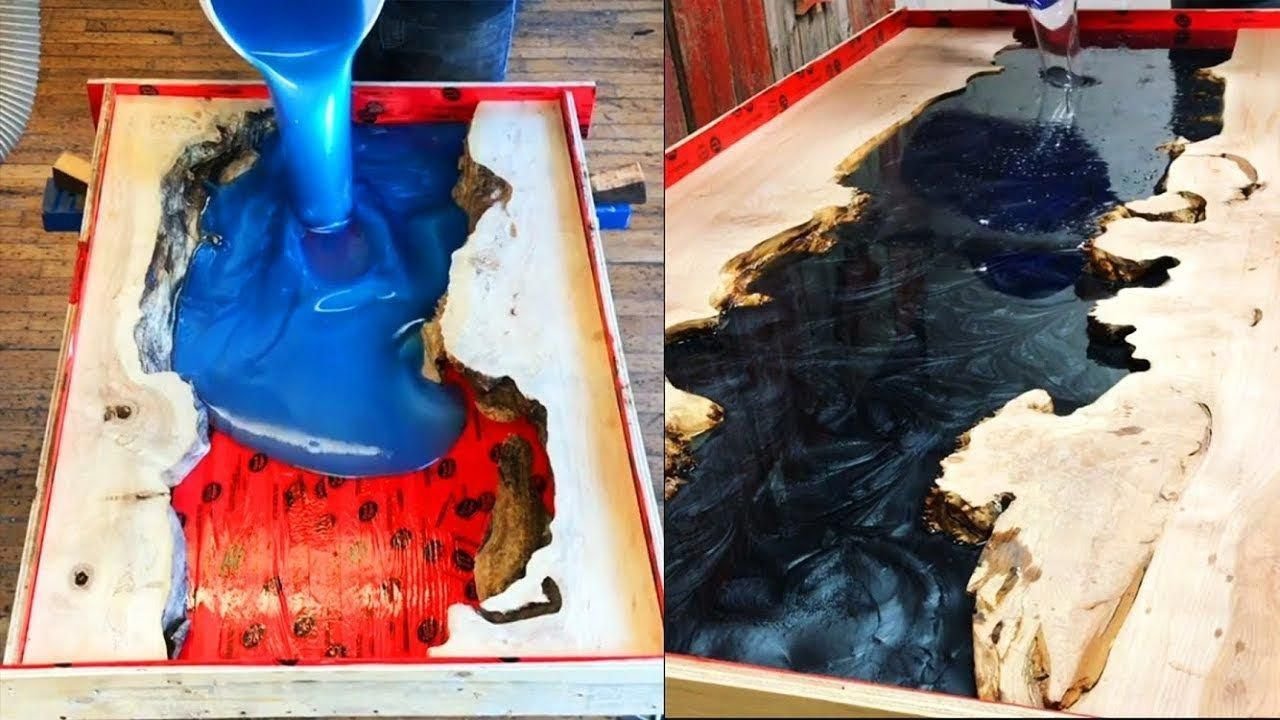
Temperature Mismanagement
Mastering temperature control is a crucial step in achieving pristine resin art results. Neglecting this aspect often leads to frustrating problems like trapped air bubbles and uneven hardening, which can ruin an otherwise stunning creation. Resin behaves differently depending on the surrounding climate, and the sweet spot for mixing and pouring lies between 75°F and 80°F (24°C to 26°C). Straying from this range can cause the resin to misbehave, spoiling your artwork’s finish.
Cooler environments cause resin to thicken, making stirring a tedious task and increasing the likelihood of incomplete blending. On the flip side, excessive heat accelerates the curing process so much that cracks may form before you even realize it.
Picture dedicating hours to your project, only to have tiny bubbles scatter across the surface or a rough, crater-like texture emerge—definitely not the outcome you want. Shielding your resin from direct sunlight is vital since UV exposure tends to yellow the resin and dull its clarity over time.
Maintaining a stable temperature is like wrapping your resin in a cozy blanket; it safeguards against imperfections that can compromise your work.
A practical trick: gently warm resin bottles by submerging them in warm water prior to mixing. This simple step softens the resin’s consistency, helping it blend smoothly and behave more predictably for an impeccable finish.
Oversized Projects
Working on larger resin projects introduces specific challenges, especially due to the heat generated during curing. Excessive heat can trigger rapid curing, bubbles, or even cracks, compromising the integrity of your piece. Understanding how heat builds up in bigger volumes of resin is crucial to avoid these common issues.
Scaling Up: Begin with smaller creations before moving on to larger designs. This approach allows you to gain confidence and insight into resin’s behavior, helping to minimize errors and material waste.
Mold Choice: Select molds carefully, favoring smaller sizes at first. Large molds can complicate the curing process and increase the likelihood of problems that might ruin your project.
Layer Thickness: Limit the thickness of each pour to about ⅓ inch. Keeping layers thin ensures even curing and reduces chances of warping or cracking.
Mixing and pouring sizeable resin batches requires precision. Uneven mixing or temperature fluctuations can negatively impact the final result, so maintain consistent stirring and monitor the environment closely.
Uneven Surfaces
Achieving a perfectly smooth resin art finish hinges on the stability and cleanliness of your working surface. Any slight incline or surface flaw can cause the resin to settle unevenly, resulting in unwanted imperfections that detract from your artwork’s beauty.
Picture dedicating hours to your creation, only to notice resin collecting unevenly at one edge—that’s incredibly frustrating. To prevent this, use a bubble level to double-check your worktable’s flatness before you begin. This simple precaution can make a significant difference in the final outcome.
Preparing your base is just as crucial. Even small amounts of dust, grease, or particles can interfere with how resin adheres, causing patchy or inconsistent spots.
Thoroughly clean your surface to eliminate any contaminants, giving your resin a pristine foundation to bond with. Think of it as priming your canvas for the best possible results.
Lightly sanding the surface also enhances resin adhesion and contributes to an even, polished finish.
For porous substrates, applying a sealant beforehand is a smart move. This reduces the risk of bubbles forming, which often lead to uneven textures on your piece.
Though these steps may seem meticulous, they are vital for crafting resin art that’s smooth, flawless, and professional-looking.
Excessive Dye Addition
Overloading your resin with too much dye might seem like a quick way to achieve vibrant colors, but it often backfires and ruins the final outcome. Excessive pigment can interfere with the resin’s curing process, resulting in weakened structure and an unattractive finish.
Managing Color Strength
Striking the right balance of colorant in resin art is crucial to preserve clarity and ensure proper hardening. Surpassing the recommended dye ratio can cause cloudy patches or incomplete curing, diminishing the overall quality of the piece. Different types of colorants—whether powders or liquids—demand specific handling techniques for optimal results.
The general rule is to limit dye to no more than 6% of the resin’s total volume. For example, mixing 6ml of pigment into 100ml of resin maintains the ideal intensity without compromising the process. Exceeding this threshold often leads to dull or hazy surfaces instead of a glossy, transparent finish. Thorough blending is essential so the pigment disperses evenly, avoiding streaks or clumps that mar the appearance.
- Precise measurement: Use accurate tools to keep dye quantities within safe limits.
- Complete mixing: Stir until the colorant fully integrates with the resin to ensure consistency.
Effects On Resin Performance
Too much dye can disrupt the chemical reaction needed for resin to cure properly, causing sticky or soft spots and reducing durability. Imagine dedicating hours to your artwork only to find it tacky or fragile because the pigment overwhelmed the mixture.
Maintaining the dye concentration below 6% by volume helps avoid these problems. For a 100ml batch of resin, this means sticking to a maximum of 6ml of colorant. Staying within this limit preserves the resin’s transparency and structural strength, delivering a smooth, flawless finish that highlights your creativity.
Resin Composition Impact
The makeup of your resin mixture plays a crucial role in determining the final quality of your artwork. The balance between resin and coloring agents must be carefully managed to ensure a smooth curing process and a stunning, durable finish.
Incorporating too much pigment into resin can disrupt the chemical reaction necessary for proper hardening, often resulting in a hazy or tacky surface. Picture dedicating significant effort to your piece only to discover it remains sticky or lacks the vibrant clarity you intended.
Keeping colorant levels below 6% of the total resin volume is a smart guideline. For instance, in a 100ml batch, limit your dye to around 6ml to maintain optimal curing conditions.
Each type of pigment—whether powdered or liquid—has unique mixing requirements. Ensuring thorough and uniform blending prevents uneven curing and preserves the structural strength of your art.
Excessive dye amounts not only cloud the appearance but also weaken the resin, making the final product brittle and more susceptible to damage.
Moisture Contamination
Moisture contamination poses a significant challenge in resin art, often causing hazy finishes and incomplete hardening. Ensuring a moisture-free environment is crucial to achieving crystal-clear, properly cured resin pieces. Even trace amounts of water can interfere with the chemical curing process, resulting in disappointing outcomes.
Thoroughly drying all equipment, work surfaces, and molds before pouring resin is vital. Relative humidity above 60% can compromise both the transparency and bonding strength of resin, so keeping the workspace’s moisture level in check is essential for flawless results.
Consider these practical strategies to maintain a moisture-controlled setting:
- Employ dehumidifiers or moisture-absorbing packs like silica gel to reduce humidity effectively.
- Ensure porous materials are fully dried and, if needed, sealed to avoid trapped moisture that could cause bubbles or incomplete curing.
Delayed Usage
Timing plays a crucial role in resin art, especially when it comes to using the mixture right after preparation. Delaying the application of mixed resin can lead to unwanted curing inside the container, wasting precious materials and jeopardizing the entire project’s outcome. Mastering the timing ensures smooth pours and flawless finishes.
Begin by arranging all your tools and workspace beforehand. Having everything within reach before combining the resin and hardener allows you to pour immediately, preventing the resin from thickening prematurely. Resin typically stays workable for about 20 to 30 minutes, but this window can vary depending on the product and environmental conditions, so always refer to the manufacturer’s guidelines and adhere strictly to the recommended working time.
Streamlining your process is key to success. A well-planned, swift workflow minimizes the risk of the resin setting too soon, which could result in clumps or uneven surfaces. Treat each step with urgency and precision, as every moment counts to keep the resin fluid and manageable. Staying organized and ready not only saves materials but also helps create stunning, professional-quality resin art.
Improper Storage
Storing resin correctly is a crucial step that many artists overlook, yet it plays a vital role in preserving the material’s integrity and ensuring your creations turn out perfectly. Neglecting proper storage can cause the resin to break down, which might ruin your art supplies before you even begin crafting. Understanding how to store resin effectively will keep your projects running smoothly.
Resin is highly sensitive to moisture, and exposure to humidity can interfere with the curing process, resulting in tacky or unevenly hardened pieces. To protect your resin, always keep it sealed tightly in containers that block out any moisture from the air.
Consider these essential storage guidelines:
- Keep resin in a stable, dry environment: Maintain temperatures between 60°F and 90°F (15°C to 32°C) to preserve the resin’s proper thickness and workability.
- Shield resin from sunlight: Exposure to UV rays can cause the resin to break down prematurely, affecting its quality and performance.
Separating hardeners from resin is important to prevent unintended chemical reactions. Store both parts upright to avoid spills and leaks, setting you on the path to resin art success.
Ignoring Environmental Factors
Environmental conditions play a crucial role in the success of your resin art projects. Overlooking these factors can lead to unexpected results and compromise the quality of your work.
Maintaining an ideal temperature, usually between 75°F and 80°F, ensures your resin sets smoothly and avoids issues like cloudiness or incomplete curing.
Equally important is a clean workspace free from dust and debris, as tiny particles can easily become trapped in the resin, marring the surface of your creation.
Temperature Control Importance
Maintaining consistent temperature is crucial for crafting flawless resin art pieces. Resin’s curing process is highly sensitive to the surrounding heat, and even slight variations can drastically affect the outcome. A controlled environment with temperatures hovering between 75°F and 80°F (24°C to 26°C) creates the perfect setting for resin to harden smoothly and evenly.
Temperature swings can disrupt the chemical reactions that epoxy resin undergoes during curing. Cooler conditions slow down these reactions, extending curing times and potentially resulting in a final product that’s less durable and cloudy. Conversely, excessive heat can accelerate curing too quickly, which often leads to surface imperfections like cracks, bubbles, or uneven textures. Neither situation supports a quality finish.
Key impacts of temperature on resin art include:
- Lower temperatures: Prolonged curing periods, diminished strength, and reduced clarity.
- Elevated temperatures: Rapid curing risks such as bubbling, cracking, and surface defects.
Clean Workspace Necessity
Creating flawless resin art begins with a spotless and well-organized workspace. The environment where your resin cures plays a huge role in the final appearance of your piece. Imagine dedicating hours to crafting your design, only to discover tiny dust specks trapped beneath the glossy surface—such a letdown!
Keeping your work area tidy involves more than just neatness; it’s crucial to prevent any contaminants like oils, lint, or dirt from interfering with your resin pour. Wiping down surfaces and ensuring everything is free of debris before starting will help maintain the integrity of your project.
During the curing phase, airborne particles can settle on your resin, dulling its clarity and ruining the smooth finish. Picture your resin setting perfectly at first glance, but once hardened, random flecks have appeared, spoiling the pristine look you aimed for.
Applying painter’s tape around your molds or edges can be a game-changer, helping to avoid messy drips and ensuring crisp, clean borders—something every resin artist appreciates.
Regularly cleaning your brushes, mixing sticks, and other tools prevents old resin residue from contaminating new batches. Using a tool coated with hardened resin remnants can cause unexpected flaws, turning a promising project into a frustrating experience.
Neglecting Surface Preparation
Skipping the essential step of preparing your work surface can quickly turn a promising resin project into a frustrating mess. Proper groundwork ensures your resin adheres smoothly and evenly, preventing common issues like bubbling, peeling, or uneven textures. Artists know the disappointment of seeing their hard work compromised, so dedicating time to surface prep is a game-changer for flawless results.
Start by thoroughly cleaning the surface. Any lingering dust, grease, or tiny debris can interfere with the resin’s ability to bond properly, leading to visible flaws. Use a soft cloth dampened with isopropyl alcohol to wipe down your surface, ensuring it’s spotless and ready for resin application.
Following cleaning, lightly sanding the area enhances adhesion by creating a subtle texture for the resin to grip. Opt for fine-grit sandpaper and work in gentle, circular motions to avoid damaging the surface while promoting better resin hold. This simple step significantly lowers the risk of peeling or air bubbles.
Keep this quick prep checklist handy:
- Confirm your workspace is perfectly level to prevent resin from pooling unevenly.
- Seal porous surfaces like wood or canvas to avoid resin bubbles forming during curing.
Overlooking these preparation essentials can sabotage your resin art, so invest a little extra effort upfront to ensure a smooth, durable finish every time.
Frequently Asked Questions
Below are answers to some of the most common questions that arise during resin art projects, aimed at helping artists avoid pitfalls and achieve flawless results.
What Are Typical Errors Made in Resin Art?
Frequent errors include improper color blending, neglecting to prepare the workspace or surfaces correctly, overlooking the manufacturer’s epoxy guidelines, miscalculating the resin-to-hardener proportions, under-mixing or over-mixing the solution, stirring too rapidly, and ignoring environmental factors like humidity and temperature. Each of these can compromise the final appearance and durability of the piece.
What Practices Should Be Avoided When Handling Resin?
Steering clear of incorrect mixing ratios is crucial to ensure the resin cures as intended. Skipping protective measures such as wearing gloves, masks, and ensuring ample airflow can expose users to harmful fumes and skin irritation. Avoid rushing the process by applying resin in unsuitable conditions or using contaminated tools, as these can negatively impact the outcome.
What Are the Main Safety and Quality Concerns in Resin Art?
Safety remains paramount; working in spaces with proper ventilation and donning personal protective equipment minimizes health risks. Selecting high-quality materials and controlling curing conditions help prevent issues like incomplete hardening, temperature-induced defects, and visual imperfections such as air bubbles or a cloudy finish.
Where Do Resin Projects Commonly Encounter Challenges?
Mixing techniques and temperature control often present significant challenges. Incorrect measurements or insufficient stirring can halt or weaken curing, while working in cold environments thickens the resin, making it difficult to spread evenly and resulting in subpar finishes.
Conclusion
Wrapping up the key takeaways from resin art projects highlights the importance of precision and care throughout the creative process. Success depends on carefully measuring components, mixing thoroughly, and following guidelines closely to achieve the best results.
Environmental conditions such as temperature and humidity, along with suitable storage practices, play a significant role in maintaining resin quality. Steering clear of frequent mistakes like choosing the wrong type of epoxy, stirring too rapidly, or skipping surface prep can dramatically improve the final piece.
Adopting a patient, step-by-step strategy ensures that resin creations not only look polished but also stand the test of time, making the artistic journey both rewarding and professional.

Frequently Asked Questions
What Are The Most Common Resin Art Mistakes?
Common mistakes include improper mixing, using wrong ratios, and poor curing conditions. Avoiding these ensures a smooth, clear finish. Always follow instructions carefully and work in a dust-free environment to prevent defects and bubbles.
How To Prevent Bubbles In Resin Art?
To prevent bubbles, mix resin slowly and thoroughly. Use a heat gun or torch to gently remove trapped air. Working in a warm room also helps resin flow better and reduces bubble formation.
Why Does Resin Yellow Over Time?
Resin yellows due to UV exposure and improper curing. Use UV-resistant resin and store finished pieces away from sunlight. Proper curing and sealing can also prolong clarity and prevent yellowing.
Can Resin Art Be Fixed If Mistakes Occur?
Minor mistakes like bubbles or dust can be fixed by sanding and applying a new resin layer. For major errors, carefully remove and redo the piece. Patience and proper technique help achieve the best results.
Conclusion
Avoiding common resin art mistakes saves time and materials. Careful preparation makes your project smoother. Follow safety rules to protect yourself and your space. Patience helps resin cure properly without rush. Small details matter for a better final look. Practice often to improve your skills steadily.
Enjoy the process and learn from each attempt. Keep these tips in mind for great resin art results.