Ready to dive into the world of resin crafts but don’t know where to start? You’re in the right place.
This easy resin crafts tutorial is designed just for beginners like you who want to create beautiful, eye-catching pieces without feeling overwhelmed. Imagine making your own unique coasters, jewelry, or decorative items with just a few simple steps. No confusing tools or tricky techniques—just straightforward guidance that helps you bring your creativity to life.
Stick with me, and by the end of this tutorial, you’ll have the confidence and skills to start your own resin projects and impress everyone around you!

Getting Started With Resin
Starting resin crafting can be exciting and fun. Resin allows you to create beautiful, glossy art pieces with ease. This section guides you through the first steps for beginners. Learn what resin to choose, the tools you need, and how to stay safe.
Choosing The Right Resin
Pick resin designed for beginners. Epoxy resin is clear and easy to work with. It cures slowly, giving time to add colors or objects. Avoid polyester resin; it smells strong and is harder to handle. Check the resin’s cure time and clarity before buying. Look for non-toxic, low-odor types for indoor use.
Essential Tools And Materials
Gather simple tools to start your resin project. You will need mixing cups, stir sticks, and silicone molds. Gloves protect your hands from sticky resin. Use a heat gun or torch to remove air bubbles. A digital scale helps measure resin and hardener accurately. Keep paper towels and plastic sheets for easy cleanup.
Safety Tips For Beginners
Always work in a well-ventilated area. Resin fumes can irritate your eyes and lungs. Wear nitrile gloves to avoid skin contact. Use a mask if you feel sensitive to fumes. Avoid touching your face while working. Store resin out of children’s reach. Clean spills immediately with alcohol or vinegar.
Basic Resin Techniques
Basic resin techniques form the foundation for creating beautiful resin crafts. These simple steps help beginners work confidently with resin. Understanding how to mix, pour, and decorate resin is essential. This section covers key methods to start your resin crafting journey.
Mixing And Measuring Resin
Accurate measuring of resin and hardener is crucial. Use a clean container and measure equal parts by volume. Stir slowly for about 3 to 5 minutes to avoid bubbles. Mix thoroughly until the blend looks clear and uniform. Proper mixing ensures the resin cures well and stays strong.
Pouring And Layering
Pour resin gently into your mold or surface. Pour slowly to prevent air bubbles from forming. For layered designs, pour the first layer and let it cure slightly. Add the next layer once the previous one is tacky but not fully hardened. This technique creates depth and interesting effects.
Adding Color And Embellishments
Add color by mixing in resin dyes or mica powders. Start with small amounts to control the shade. You can also use alcohol inks for vibrant effects. Embed small items like dried flowers, glitter, or beads while the resin is still wet. These decorations give your project a unique touch.
Simple Resin Projects
Simple resin projects offer a great way to start crafting with resin. These projects are easy, fun, and require minimal tools. Beginners can create beautiful items quickly and enjoy the creative process. Each project helps you learn new techniques and gain confidence.
Resin crafts allow you to mix colors and add small decorations. You can personalize each piece to match your style. Try these simple resin projects to explore resin art without stress.
Making Resin Coasters
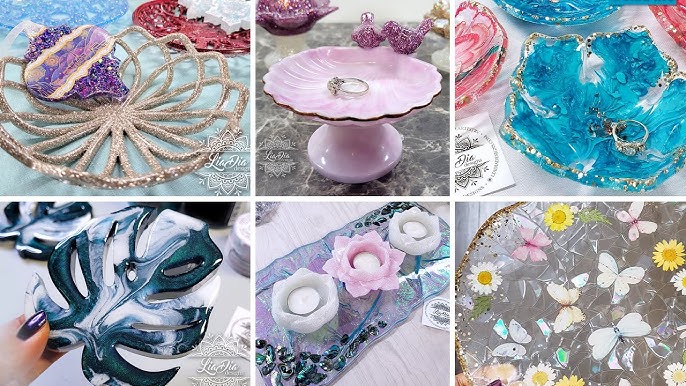
Resin coasters are one of the easiest projects for beginners. Use silicone molds shaped like circles, squares, or hexagons. Mix resin with colors like alcohol inks or mica powders. Pour the mixture into molds and add glitter or small decorations. Let it cure for 24 hours. The result is a shiny, durable coaster perfect for home or gifts.
Creating Resin Jewelry
Resin jewelry lets you craft unique accessories. Use small molds for pendants, earrings, or rings. Add dried flowers, tiny beads, or colorful pigments to the resin. Pour carefully and remove bubbles with a heat gun or torch. After curing, attach jewelry findings like hooks or chains. You get stylish and personal jewelry pieces easily.
Designing Decorative Dishes
Decorative dishes brighten any space and are simple to make. Choose shallow silicone molds in different shapes. Mix resin with your favorite colors or add small charms inside. Pour resin and spread it evenly in the mold. Once dry, remove the dish and polish edges if needed. These dishes work well for keys, jewelry, or small items.

Creative Ideas With Resin
Resin crafts open a world of creativity for beginners. This material lets you make beautiful and unique pieces. You can create jewelry, coasters, decorations, and more. Using resin is easy and fun, especially with simple ideas to start.
Explore creative ways to use resin. Small touches can turn a plain project into art. Try adding natural elements, colors, and tiny objects. These ideas are perfect for beginners eager to try resin crafts.
Incorporating Flowers And Leaves
Flowers and leaves add a natural charm to resin crafts. Use dried or pressed flowers to keep them flat. Place them gently inside resin molds or trays. The clear resin highlights the colors and shapes beautifully.
This method works well for coasters, pendants, and paperweights. Choose small flowers for detailed looks. Leaves give a fresh, earthy feel to your projects. Seal the flowers well to avoid bubbles or discoloration.
Using Alcohol Inks And Glitter
Alcohol inks bring vibrant colors to resin crafts. Drop a few drops into the resin and watch colors swirl. The ink spreads in unique patterns, making every piece different. Add glitter for a sparkling effect that catches light.
Mix colors carefully to create shades you like. Use small amounts to avoid overpowering the design. Glitter adds shine and texture without much effort. This idea is great for coasters, jewelry, and keychains.
Embedding Small Objects
Embedding small objects creates interesting and personal resin pieces. Tiny charms, beads, or buttons work well. Place objects in the resin mold before it hardens. The clear resin keeps them visible and safe inside.
Choose items that fit the size of your mold. Layer resin in steps to keep objects in place. This technique allows for creative storytelling and unique designs. It’s perfect for gifts and keepsakes made with resin.
Troubleshooting Common Issues
Troubleshooting common issues in resin crafting helps beginners avoid frustration. Resin can be tricky, but simple fixes solve most problems. Knowing how to handle bubbles, sticky resin, and curing issues improves your results. This section guides you through common resin problems and easy solutions.
Avoiding Bubbles And Imperfections
Bubbles often form when mixing resin too fast. Stir slowly and gently to reduce air trapped inside. Warm resin slightly before mixing to help bubbles rise and pop. Use a heat gun or torch carefully over the surface to remove bubbles after pouring. Avoid shaking resin bottles to prevent bubbles from forming. Pour resin in thin layers to minimize imperfections.
Fixing Sticky Or Soft Resin
Sticky resin means it did not cure fully. Check the resin and hardener ratio and mix thoroughly. Stir the mixture for at least three minutes, scraping the sides and bottom. Keep the curing environment warm and dry, around 70–75°F (21–24°C). If the resin stays tacky, apply a thin layer of fresh resin mixed correctly. Avoid adding too many additives that can stop curing.
Dealing With Resin Not Curing
Resin may not cure due to wrong mixing ratios or old resin. Measure resin and hardener precisely by volume or weight. Use fresh resin within the recommended shelf life. Ensure your workspace temperature is within resin’s curing range. High humidity can also affect curing time. If resin remains liquid after 48 hours, remove it and start again with new materials.
Selling And Gifting Resin Crafts
Selling and gifting resin crafts opens a world of creativity and connection. Handmade resin items attract many buyers and make thoughtful gifts. Beginners find joy in sharing their unique creations with others. This section guides you through popular items, pricing strategies, and presentation tips. These ideas help your resin crafts stand out and bring happiness to recipients or customers.
Popular Items To Sell
Coasters remain a top seller for resin crafters. They are simple to make and useful in every home. Jewelry pieces like earrings and pendants attract buyers who love custom designs. Keychains and bookmarks also sell well due to their small size and practicality. Trays and decorative bowls offer larger canvas for creativity and appeal to gift buyers.
Pricing Your Resin Creations
Set prices by calculating material costs first. Add time spent crafting to cover your labor. Check prices of similar items online for guidance. Avoid pricing too low; respect your work’s value. Offer bundle deals to encourage multiple purchases. Clear, fair pricing builds trust with buyers and helps your craft grow.
Packaging And Presentation Tips
Use simple, clean packaging to protect your resin pieces. Small boxes or padded envelopes work well for shipping. Add a personal touch with handwritten thank-you notes or care instructions. Use tissue paper or fabric to wrap delicate items. Good presentation increases perceived value and encourages repeat sales. Keep packaging eco-friendly when possible to appeal to conscious buyers.
Frequently Asked Questions
What Is The Best Beginner Resin Project?
The best beginner resin project is making coasters. Use silicone molds and add inks or glitter for customization.
How To Start Resin Art As A Beginner?
Start resin art by gathering epoxy resin, molds, and pigments. Mix resin carefully, pour into molds, and cure in a dust-free area. Practice with simple projects like coasters to build skills. Always wear gloves and work in a ventilated space for safety.
What Should You Not Put In Resin?
Avoid putting food, silicone, polyethylene, polypropylene, and Teflon in resin, as they resist bonding or spoil the cure.
What Kind Of Resin Art Sells The Most?
Jewelry, especially resin earrings, sells the most due to high profit margins. Coasters and decorative trays also sell well for their practicality and beauty.
Conclusion
Easy resin crafts offer a fun, creative way to start crafting. Beginners can quickly make beautiful pieces with basic supplies. Try simple projects like coasters or small jewelry. Practice helps improve your skills and confidence. Enjoy the process and don’t fear mistakes.
Resin crafting can become a relaxing hobby or a gift-making tool. Keep experimenting with colors and molds for unique results. Start small, stay patient, and have fun creating your own resin art.