Wood tables are beautiful and useful. People often want to make them last long. One way to do this is by using resin. Resin helps protect the wood. It also makes the table look shiny and smooth. But, what type of resin is best for wood tables? This article will explain that in simple words.
What is Resin?
Resin is a thick liquid that hardens when it dries. It comes from natural sources or can be made by machines. When resin dries, it forms a strong, clear coat. This coat can cover wood and keep it safe from water, scratches, and dirt.
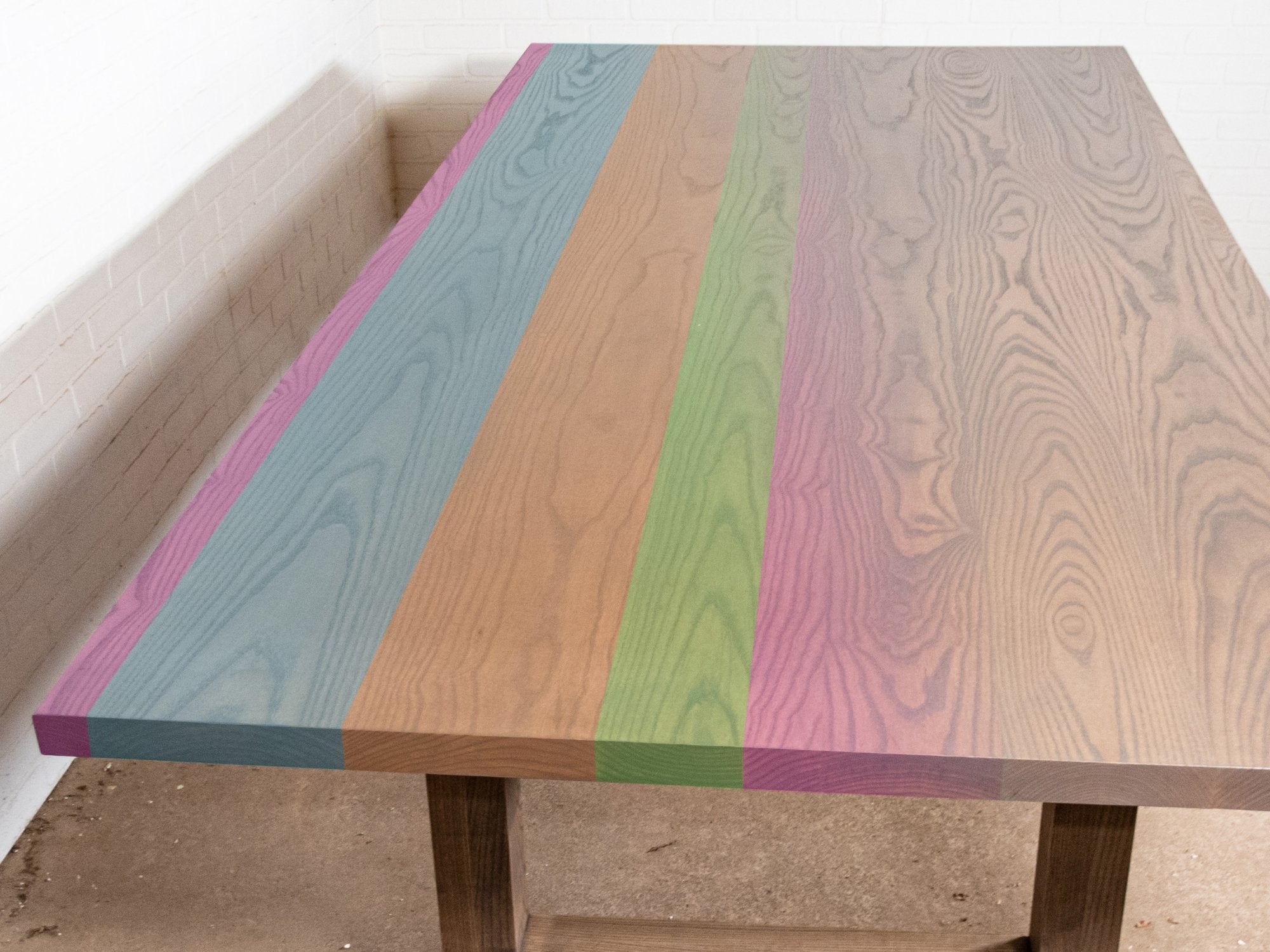
Credit: www.loewendesignstudios.com
Why Use Resin on Wood Tables?
- Protects wood from damage.
- Makes the surface smooth and shiny.
- Easy to clean.
- Brings out the wood’s natural color.
- Can fill cracks or holes in the wood.
Because of these benefits, resin is popular for wood tables. But not all resin is the same. Different types work better for different jobs.
Main Types of Resin for Wood Tables
Here are the most common resin types used on wood tables:
| Type of Resin | Description | Best For |
|---|---|---|
| Epoxy Resin | Clear, thick liquid that hardens to a tough finish. | Protecting tables, filling cracks, making river tables. |
| Polyester Resin | Strong and fast drying, often used in crafts. | Cheap projects, but less clear than epoxy. |
| Polyurethane Resin | Durable with a glossy finish, resists water well. | Outdoor tables and heavy-use surfaces. |
| Acrylic Resin | Clear and UV resistant, but softer than epoxy. | Indoor tables with less wear and tear. |
Why Epoxy Resin is the Most Popular
Epoxy resin is the favorite for wood tables. It is clear and thick. When it dries, it looks like glass. It is very strong and protects the wood well.
Epoxy resin can fill cracks and holes perfectly. It also brings out the wood’s colors. Many woodworkers use it to make “river tables.” These are tables with resin flowing in the middle.
Epoxy dries slowly. This means you have time to work carefully. It also means fewer bubbles form inside. Bubbles can make the surface look bad.
How to Use Epoxy Resin on Wood Tables
Using epoxy resin is not hard but needs care. Here is a simple step-by-step guide:
- Clean the table surface well.
- Sand the wood to make it smooth.
- Mix the two parts of epoxy resin as told on the package.
- Pour the resin slowly on the table.
- Use a brush or stick to spread it evenly.
- Remove any bubbles by blowing gently or using a heat gun.
- Let it dry for 24 to 48 hours.
- Add a second coat if you want more shine or protection.
Things to Remember When Using Resin
- Always work in a well-ventilated area.
- Wear gloves to protect your skin.
- Follow the instructions on the resin package.
- Keep the table flat while the resin dries.
- Be patient. Rushing can cause problems.
Other Resin Types and Their Uses
Besides epoxy, some people use polyester resin. It dries faster but is harder to work with. It is not as clear as epoxy. Polyester resin is cheaper but can yellow over time.
Polyurethane resin is another choice. It is tough and water-resistant. It is good for outdoor tables. But it is not as clear as epoxy and can be sticky while drying.
Acrylic resin is clear and protects from sunlight. It is softer, so it can scratch more easily. It is better for tables inside the home that do not get heavy use.
How to Choose the Right Resin
When picking resin, think about these things:
- Clarity: Do you want a very clear finish? Choose epoxy.
- Drying time: Need it fast? Polyester dries quickly.
- Durability: Will the table get heavy use? Polyurethane is strong.
- UV protection: Table in sunlight? Acrylic resists yellowing.
- Budget: Some resins cost more than others.
Benefits of Using Resin on Wood Tables
Resin makes wood tables last longer. It stops water from soaking in. It protects from scratches and stains. Resin also makes the table shiny and smooth. The wood color looks richer and deeper.
Resin can fix cracks and holes. This saves wood that might otherwise be thrown away. It gives the table a new, fresh look.

Credit: alidajzj.en.made-in-china.com
Resin and Table Design
Resin is not just for protection. It can help make art on tables. Many people add colors or objects inside the resin. This creates unique designs.
For example, some tables have colored resin rivers flowing through the wood. Others have flowers or stones inside. Resin lets you be creative and make one-of-a-kind tables.
Caring for Resin Wood Tables
Once you have a resin table, you want to keep it nice. Here are some tips:
- Clean with a soft cloth and mild soap.
- Avoid harsh chemicals or abrasive cleaners.
- Do not put hot pots directly on the table.
- Use coasters and placemats to avoid scratches.
- Keep away from strong sunlight to stop yellowing.
Summary
Resin is great for protecting and decorating wood tables. Epoxy resin is the most popular choice. It is clear, strong, and easy to work with. Polyester, polyurethane, and acrylic resins also have their uses.
Choose resin based on your table’s needs. Think about clarity, drying time, durability, and budget. Use resin carefully for the best results. Resin can make your wood table last for many years.
If you want a shiny, smooth, and protected wood table, resin is the way to go.
Frequently Asked Questions
What Type Of Resin Is Best For Wood Tables?
Epoxy resin is the most popular choice for wood tables due to its durability and clear finish.
Can Polyester Resin Be Used For Wood Table Coating?
Yes, polyester resin can be used but it is less durable and yellows over time compared to epoxy.
How Long Does Resin Take To Cure On Wood Tables?
Resin usually takes 24 to 72 hours to fully cure, depending on temperature and thickness.
Is Epoxy Resin Food Safe For Wood Tables?
Food-safe epoxy resins are available and safe once fully cured and hardened.