Art and craft are important activities for students. They help children learn in many ways. These activities are fun and teach new skills. Many schools include art and craft in their programs. But why are they so good for students? Let’s explore the benefits of art and craft for young learners.
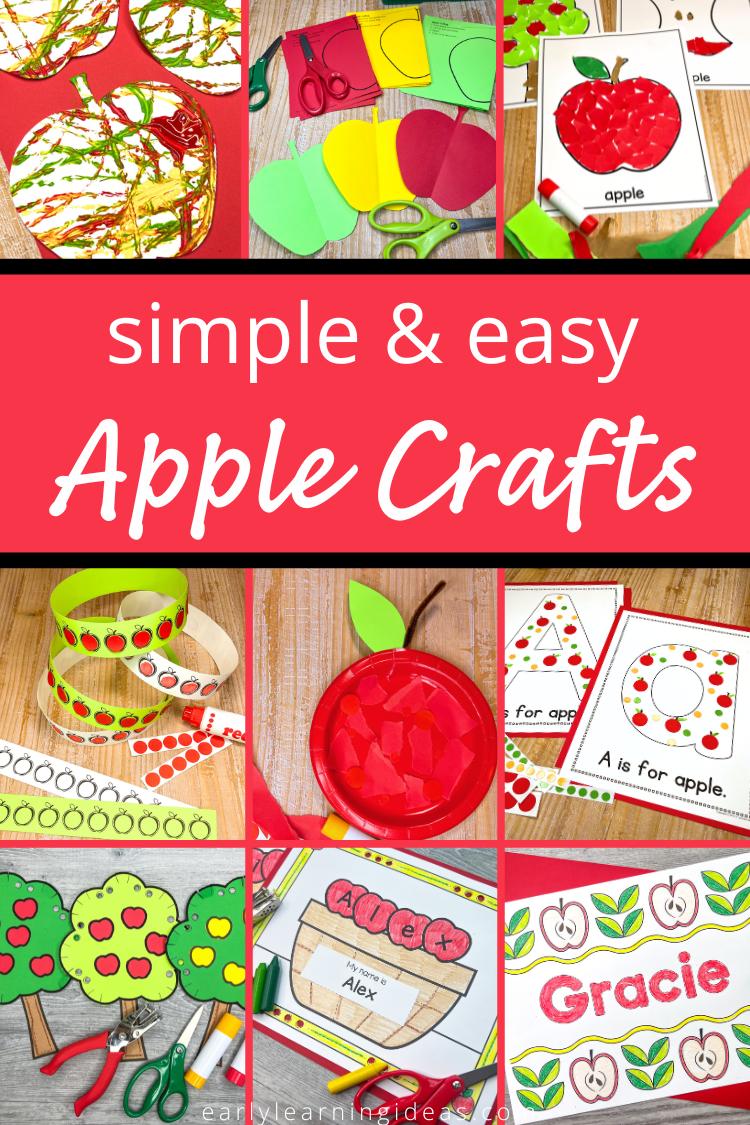
Credit: earlylearningideas.com
1. Helps Improve Creativity
Creativity is the ability to think in new ways. Art and craft activities allow students to use their imagination. When children draw, paint, or make things, they create something new. This helps their minds grow and think differently.
For example, when a student paints a picture, they choose colors and shapes. This process makes them think about their ideas. Over time, this helps students become more creative in other subjects too.
2. Develops Fine Motor Skills
Fine motor skills mean using small muscles in hands and fingers. Cutting paper, coloring inside lines, and pasting glue help students practice these skills. These tasks improve hand-eye coordination.
Good fine motor skills are important for writing, typing, and other daily activities. Art and craft give students a fun way to build these skills early.
3. Enhances Focus and Patience
Art and craft require focus. Students need to pay attention to details. This helps them learn patience. For example, making a paper flower takes time and care.
When children work on a craft project, they learn to finish tasks carefully. This habit can help in schoolwork and other activities.
4. Boosts Confidence
Completing an art project gives students a sense of pride. Showing their work to family or friends makes them feel good. This builds confidence and self-esteem.
Confidence helps students try new things. It encourages them to speak up and share ideas in class.
5. Encourages Problem-Solving Skills
Art and craft often involve solving problems. For example, if a student wants to build a model, they must plan how to do it. They think about what materials to use and how to put pieces together.
This helps develop critical thinking skills. Students learn to find solutions and think carefully.
6. Improves Communication Skills
Art is a way to express feelings and ideas without words. Sometimes students find it hard to talk about their thoughts. Art and craft give them another way to share.
Students can explain their artwork. This practice helps improve speaking and listening skills.

Credit: www.earlyyearsresources.co.uk
7. Supports Emotional Development
Art allows students to express emotions safely. Drawing or painting can show happiness, sadness, or anger. This helps children understand and manage feelings.
When students express emotions, they feel less stressed. Art can be a helpful tool for mental health.
8. Makes Learning Fun
Art and craft make learning interesting. Students enjoy hands-on activities more than just reading or listening. They remember lessons better when they use art.
For example, making a craft about animals helps students learn about nature. This method makes lessons lively and easy to understand.
9. Encourages Teamwork
Many art projects require working in groups. Students learn to share materials and ideas. They practice listening to others and working together.
Teamwork is a useful skill for school and life. Art and craft provide a good way to practice cooperation.
10. Builds Cultural Awareness
Art teaches about different cultures and traditions. Students learn about colors, patterns, and styles from around the world. This helps them respect and understand diversity.
Projects about festivals or traditional art open students’ minds to new ideas.
Table: Summary of Art and Craft Benefits for Students
| Benefit | Description |
|---|---|
| Creativity | Helps students imagine and create new ideas. |
| Fine Motor Skills | Improves hand control and coordination. |
| Focus and Patience | Teaches attention to detail and persistence. |
| Confidence | Builds pride and self-esteem through achievements. |
| Problem-Solving | Encourages thinking and finding solutions. |
| Communication | Expresses ideas and emotions in new ways. |
| Emotional Development | Helps manage feelings and reduce stress. |
| Fun Learning | Makes lessons enjoyable and memorable. |
| Teamwork | Teaches sharing and cooperation. |
| Cultural Awareness | Introduces different traditions and respect. |
How Parents and Teachers Can Support Art and Craft
Parents and teachers play a big role in encouraging art and craft. Here are some simple tips:
- Provide materials like paper, colors, glue, and scissors.
- Set aside time for creative activities regularly.
- Join children in making art to show support.
- Praise their efforts, not just the results.
- Display their artwork at home or school.
- Introduce art from different cultures and styles.
- Encourage group projects to build teamwork.
Even small steps make a big difference. Support helps children enjoy and learn more from art and craft.
Frequently Asked Questions
What Are The Main Benefits Of Art And Craft For Students?
Art and craft improve creativity, focus, and problem-solving skills in students.
How Does Art Help Students’ Brain Development?
Art activities boost brain growth by encouraging imagination and critical thinking.
Can Craft Activities Improve Students’ Concentration?
Yes, crafting requires focus, which helps students develop better attention skills.
Why Is Creativity Important For Student Learning?
Creativity helps students think differently and find new solutions to problems.
Conclusion
Art and craft offer many benefits for students. They help in creativity, skills, and emotions. These activities make learning fun and meaningful. Students gain confidence, patience, and teamwork abilities. They also learn to express themselves and understand others.
Parents and teachers should encourage art and craft. It supports students’ growth in many ways. Every child can benefit from a little creativity and hands-on work.
So, let art and craft be part of every student’s journey. It is more than just fun; it is a way to grow strong, smart, and kind.