Are you ready to create stunning jewelry that truly stands out? Resin art offers endless possibilities for crafting unique, eye-catching pieces that reflect your personal style.
Whether you love bold colors, delicate flowers, or shimmering glitter, resin lets you capture and preserve your favorite designs in beautiful accessories. You’ll discover fresh resin art ideas for jewelry that are easy to try and perfect for beginners or seasoned crafters.
Get ready to unlock your creativity and make jewelry that everyone will admire!
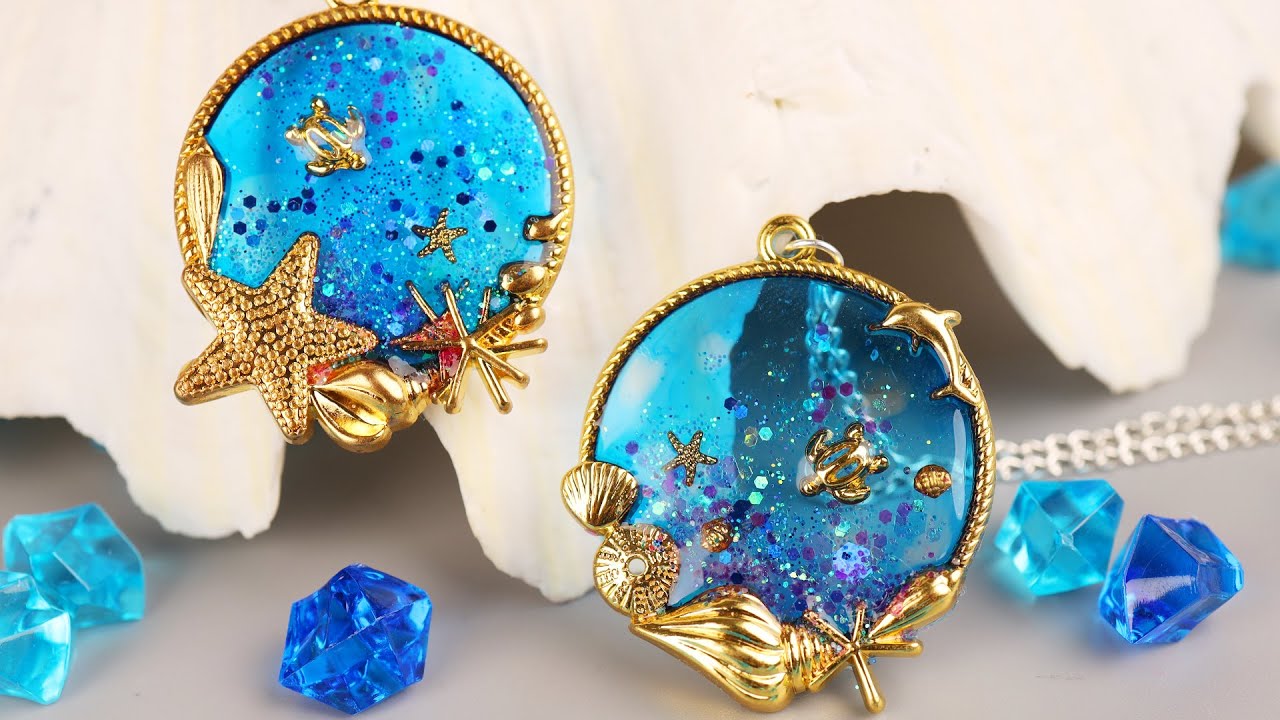
Materials For Resin Jewelry
Types of resin include epoxy, UV, and polyester. Epoxy resin is popular for jewelry because it is clear and easy to use. UV resin hardens quickly under a UV light. Polyester resin is strong but has a strong smell, so it needs good ventilation.
Inclusions and embellishments add beauty to resin pieces. You can use dried flowers, glitter, small beads, or tiny charms. These items are placed inside the resin before it hardens to create unique designs.
Tools and safety gear are important for safe crafting. Common tools include mixing cups, stir sticks, silicone molds, and gloves. Always wear gloves and work in a well-ventilated area to avoid skin contact and fumes. A mask can also help protect your lungs.
Basic Techniques
Mixing resin requires careful measuring of resin and hardener. Stir gently to avoid air bubbles. Pour slowly into molds to keep designs clear and sharp. Use silicone molds for easy removal.
Fill molds just enough to cover the base. You can add colors or small decorations before pouring. Use a toothpick to place items carefully without disturbing the resin.
The curing process needs a dust-free area. Leave resin to harden for 24 to 72 hours. Avoid moving molds during this time to prevent imperfections. Use a heat gun lightly to remove bubbles after pouring.
Design Ideas
Floral and nature themes bring a fresh, soft look to resin jewellery. Tiny dried flowers, leaves, and petals can be embedded in clear resin to make delicate pendants or earrings. These pieces often have a light, natural feel that suits casual wear.
Geode and stone effects mimic real rocks and minerals. Layers of colored resin create depth and texture. Metallic powders or glitter add sparkle, making jewellery look like precious stones. This style is great for bold and unique designs.
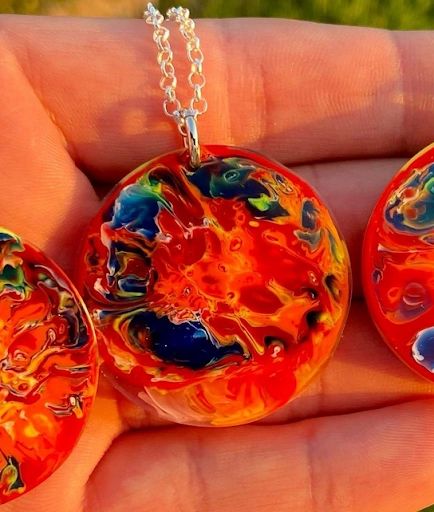
Abstract and colorful patterns use bright colors and random shapes. Swirls, splashes, and dots mix inside resin to create eye-catching pieces. These designs allow creativity and personal style to shine through. They work well for fun, modern jewellery.
Creative Embellishments
Using dried flowers and leaves in resin jewellery creates a natural, delicate look. These elements add color and texture without bulk. They are easy to embed and preserve forever in resin. Small pieces work best to keep designs neat.
Glitters and pigments bring sparkle and depth to resin pieces. Different colors mix well to make unique shades. Fine glitter spreads evenly, giving a smooth finish. Pigments add rich tones that catch the eye.
Metallic foils and charms offer a shiny, elegant touch. Gold, silver, or copper foils create a luxe background. Tiny charms add personality and detail. These embellishments make jewellery stand out with a professional look.
Jewelry Types To Make
Earrings and pendants are popular resin jewelry projects. You can embed small flowers, glitter, or tiny charms inside clear resin. These pieces are light and easy to wear. Different shapes like circles, hearts, or leaves work well. Use metal hooks or chains to finish them.
Rings and bracelets can be made by pouring resin into molds. Add colors, beads, or dried plants for a personal touch. Resin is strong and lasts long. Bracelets can be solid or have open designs with resin in the gaps.
Keychains and charms are fun and useful resin crafts. Small designs like animals, stars, or initials are common. Attach a metal ring or clasp to make them easy to carry. These make great gifts and accessories.
Common Mistakes To Avoid
Moisture can cause resin to cure poorly. Always keep materials dry and work in a low-humidity area. Use a silica gel pack to absorb moisture if needed.
Bubbles form when resin is mixed too fast or poured too quickly. Stir resin slowly and pour gently. Use a heat gun or torch briefly to remove bubbles on the surface.
Wrong resin ratios can stop resin from hardening properly. Measure resin and hardener carefully using a scale or measuring cups. Follow the instructions for best results.
| Mistake | How to Avoid |
|---|---|
| Moisture Issues | Work in dry areas, keep materials moisture-free |
| Bubbles and Imperfections | Mix slowly, use heat to pop bubbles |
| Incorrect Resin Ratios | Measure carefully, follow mixing instructions |
Finishing Touches
Sanding resin jewelry smooths rough edges and removes bumps. Start with a coarse grit sandpaper, then use finer grits for a polished look. Wet sanding helps prevent dust and keeps the surface shiny.
Polishing adds a glass-like finish. Use a soft cloth with polishing compound or resin polish. Buff gently to bring out the shine and make colors pop.
Choose findings like earring hooks, jump rings, or chains that match your design. Use pliers to attach hardware securely. Strong glue or epoxy can add extra hold.
Simple packaging can make your jewelry feel special. Use small boxes, organza bags, or handmade cards. Add tags with care instructions or a personal note to delight buyers or gift receivers.
Selling Resin Jewelry
Pricing strategies for resin jewelry should balance cost and appeal. Calculate material expenses, time spent, and market demand. Offer tiered pricing for simple and complex designs. Consider bundles or discounts for repeat buyers. Setting prices too low may hurt profits. Too high can reduce sales.
Marketing tips include using social media to show your work. Share clear photos and videos of resin pieces. Collaborate with influencers or local shops. Use simple stories to connect with buyers. Attend craft fairs or markets to meet customers face-to-face.
Popular resin jewelry trends feature floral designs, geometric shapes, and embedded objects like tiny leaves or glitter. Clear resin with colorful accents is a hit. Layered and textured pieces add uniqueness. Keep designs fresh and playful to attract buyers.
Frequently Asked Questions
What Kind Of Resin Art Sells The Most?
Resin jewelry, coasters, and home decor sell the most due to their popularity and functionality. Jewelry, especially with embedded flowers or glitter, attracts many buyers. Coasters and trays combine utility with aesthetic appeal, making them top-selling resin art products.
What Can You Put In Resin Jewelry?
You can embed glitter, dried flowers, alcohol ink, paint, wood shapes, seashells, sand, and scrapbooking embellishments in resin jewelry.
What Is The Trend In Resin Art In 2025?
Resin art in 2025 focuses on eco-friendly materials, vibrant colors, and mixed media designs. Personalized jewelry and functional home decor gain popularity. Artists emphasize sustainability and innovative techniques, blending traditional crafts with digital art for unique, trendy creations.
What Should You Not Put In Resin?
Avoid putting moist items, food, fresh flowers, or anything wet in resin. Moisture causes curing issues and cloudiness. Also, avoid heat-sensitive or toxic materials.
Conclusion
Creating resin jewelry offers endless chances to express creativity. Simple materials can turn into stunning accessories. Experiment with colors, shapes, and embedded items. Each piece tells a unique story. Resin art for jewelry suits all skill levels and styles. Start small, enjoy the process, and grow your skills.
Handmade resin pieces make thoughtful gifts or personal keepsakes. Keep exploring new ideas to keep your designs fresh. Resin art combines beauty and fun in one craft. Dive into this creative world and see where it leads you.