Imagine capturing the calm waves, warm sand, and vibrant colors of the beach right in your own home. With resin crafts, you can create stunning beach-themed art that feels like a mini getaway every time you look at it.
Whether you’re new to resin or looking to sharpen your skills, this tutorial will guide you step-by-step to make beautiful resin beach pieces using real sand and simple techniques. Ready to turn your creativity into something breathtaking? Let’s dive into the world of resin beach crafts and bring the shore to your fingertips!
Materials Needed
Creating beautiful beach-themed resin crafts starts with gathering the right materials. Each item you choose shapes the final look and feel of your artwork. Prepare well to enjoy a smooth crafting process and stunning results.
Below are the essentials you need for your resin beach project. These materials help mimic the natural beach environment with ease and style.
Choosing The Right Resin
Pick a clear epoxy resin for a glass-like finish. Look for UV-resistant resin to prevent yellowing over time. Choose a product with a slow curing time to avoid bubbles. Make sure the resin is non-toxic and safe for indoor use.
Selecting Sand And Rocks
Use clean, dry beach sand for an authentic texture. Fine sand works best for smooth layers. Add small, colorful rocks to create depth and interest. Avoid sharp or large stones that may pierce the resin. Natural materials give your art a realistic beach vibe.
Colorants And Tools
Choose pigment powders or alcohol inks for vibrant colors. Use blue and white shades to mimic ocean waves. Have mixing sticks, disposable cups, and gloves ready. A heat gun or torch helps remove bubbles quickly. Silicone molds can shape your resin into waves or shells.
Preparing Your Workspace
Preparing your workspace is an essential step for resin crafts, especially for beach-themed projects. A well-organized area helps you work smoothly and avoid mistakes. It also keeps your materials clean and safe. This section guides you through key tips to set up your workspace for resin beach art.
Safety Precautions
Wear gloves to protect your skin from resin. Resin can cause irritation or allergic reactions. Use a mask to avoid inhaling fumes. Work in a well-ventilated room or near an open window. Keep your workspace free from food and drinks. Store resin products away from children and pets.
Setting Up A Clean Area
Choose a flat, sturdy surface for your resin project. Cover the surface with a plastic sheet or disposable paper. This protects your table from spills and drips. Organize your tools and materials within reach. Use small containers to hold resin, pigments, and sand. Keep paper towels or cloths nearby to clean spills quickly.
Creating The Beach Base
Creating the beach base sets the foundation for stunning resin crafts. This step brings the ocean shore to life inside your artwork. It involves careful layering of natural materials that mimic the sand and rocks found on real beaches. The base should look textured and realistic before pouring resin over it.
Focus on arranging materials so they stay in place. The right base adds depth and interest to your resin beach art. It also ensures the resin bonds well with the surface beneath. Preparation here saves time and effort during later stages.
Layering Sand And Rocks
Start by spreading a thin layer of real or craft sand evenly on your work surface. Use fine sand to capture the soft, smooth look of a beach. Add small rocks and pebbles to create texture and natural detail. Place larger stones near the edges or in clusters for a realistic effect.
Press materials lightly into glue or a sticky base to keep them from moving. Avoid piling too high; layers should stay flat and stable. This layering forms the natural ground of your resin beach scene.
Sealing The Base
Seal the sand and rocks with a clear, quick-drying adhesive or a thin resin layer. This step locks the materials in place and prevents them from floating when you pour resin. It also stops air bubbles from forming under the resin surface.
Apply the sealer evenly and let it dry completely before continuing. A well-sealed base ensures smooth resin application and a beautiful, lasting finish. Take time here for the best results in your resin craft.
Mixing And Tinting Resin
Mixing and tinting resin are key steps in creating stunning beach-themed crafts. Proper mixing ensures the resin cures clear and strong. Tinting gives you the power to mimic ocean colors and sandy shores. These processes set the foundation for beautiful resin beach art.
Proper Resin Mixing Techniques
Measure resin and hardener carefully using separate cups. Pour both into a clean container. Stir slowly and steadily for at least three minutes. Scrape the sides and bottom while mixing. Avoid whipping air bubbles into the resin. A well-mixed resin prevents sticky or soft spots in your project.
Adding Color For Ocean Effects
Use resin dyes, mica powders, or alcohol inks to add color. Start with small amounts and mix thoroughly. Layer different shades of blue, green, and white to mimic ocean waves. Blend colors gently to create smooth transitions. Add white or sandy tones for beach textures. This layering creates depth and realism in your resin art.
Pouring Resin Layers
Pouring resin layers is a key step in creating beautiful beach crafts. This technique adds depth and realism to your artwork. Each layer captures different elements, like sand, shells, and waves. Patience is important because each layer must fully cure before adding the next. This process helps build a rich, three-dimensional effect that mimics the ocean.
Careful pouring and timing make the design stand out. You control the look by varying colors and textures in every layer. The result is a stunning beach scene trapped in glossy resin.
Building Depth With Multiple Layers
Start with a thin base layer of clear or tinted resin. Let it cure completely. Add sand or small shells on this first layer to anchor the scene. Pour a second layer over the decorations carefully. This seals them in and creates a sense of depth.
Repeat the process with different textures or colors. Each layer should be thinner than the last to avoid bubbles and cracks. Layering captures the look of shallow water and deeper ocean parts. This technique makes your beach art feel alive and real.
Using Heat Tools To Create Waves
Heat tools like a heat gun or torch help shape resin waves. Use gentle heat to move the resin surface and create wave patterns. The heat also removes air bubbles from the resin for a smooth finish.
Apply heat right after pouring a layer. Push the resin gently with a stick or brush while heating. This motion forms natural wave shapes and white foam edges. Experiment with heat direction and intensity to get different wave effects. This step adds motion and life to your beach resin craft.

Adding Details
Adding details to your resin beach craft brings the scene to life. Small touches make the art more realistic and captivating. These final touches create texture and depth, enhancing the overall effect.
Creating White Foam Effects
White foam adds realism to the ocean waves in resin art. Use a small brush or toothpick to apply white resin or acrylic paint. Lightly drag it over the edges where the water meets the sand. This mimics the natural foam created by waves.
Work quickly before the resin sets. Blend the white gently into the blue resin for a soft, natural look. Repeat the process for different wave layers. The white foam highlights give your beach scene dynamic motion.
Embedding Small Beach Elements
Include tiny shells, pebbles, or sand for extra detail. Place these elements carefully on the resin surface. Press them lightly to secure but avoid sinking them too deep. Clear resin poured over keeps them visible and protected.
Use tweezers for precise placement. Arrange pieces to create natural clusters or patterns. Adding small beach items makes the artwork tactile and engaging. These details invite viewers to explore the scene closely.
Curing And Finishing
Curing and finishing are vital steps in resin beach crafts. Proper curing ensures the resin hardens perfectly. Finishing gives your piece a smooth, shiny look. These steps bring your beach scene to life.
Optimal Curing Conditions
Keep your resin project in a dust-free space. The temperature should stay between 70°F and 75°F. Avoid sudden changes in temperature. Let the resin cure for 24 to 72 hours. Use a plastic cover to prevent dust. Good air circulation helps the curing process. Avoid touching the resin until fully hardened.
Sanding And Polishing Techniques
Start sanding with a coarse grit, like 400. Wet sanding prevents dust and scratches. Gradually move to finer grits, up to 2000. Sand until the surface feels smooth and even. Use a soft cloth to polish the resin. Apply a small amount of polishing compound. Buff the surface in circular motions. This restores the resin’s shine and clarity.
Tips For Beginners
Starting resin crafts with a beach theme is exciting but requires care. Beginners should know simple tips to avoid frustration. Learning the basics helps create beautiful resin art easily. Clear steps and good habits lead to better results and more fun.
Common Mistakes To Avoid
Pouring resin too quickly causes bubbles and uneven layers. Mixing resin and hardener incorrectly can stop it from curing. Avoid using too much resin in one pour; it may crack or stay sticky. Working in a dusty place lets particles settle on your art. Not waiting long enough between layers can ruin the effect. Always use gloves and work in a well-ventilated area for safety.
Easy Project Ideas
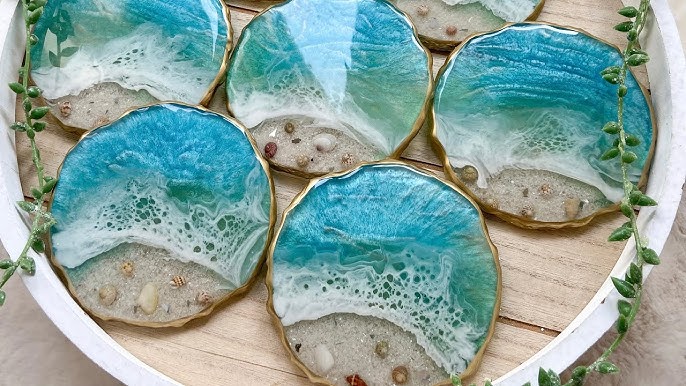
Start with small projects like resin coasters or keychains with beach sand inside. Use silicone molds for easy removal and neat shapes. Try adding small shells or tiny stones to create beach scenes. Use alcohol inks or mica powders to add colors that look like ocean waves. Keep designs simple to practice layering and pouring techniques. These projects build confidence and skill for more complex art later.
Advanced Techniques
Advanced resin crafting techniques add depth and creativity to beach-themed projects. These methods help create unique textures and shapes, making your art stand out. Working with molds and mixed media allows more control and artistic expression.
Using Molds And Silicone
Molds shape resin into detailed beach-themed forms like shells and waves. Silicone molds are flexible, making it easy to remove cured resin without damage. Choose high-quality silicone molds for smooth finishes and sharp details.
Pour resin carefully to avoid bubbles inside the mold. Use a heat gun or torch to remove surface bubbles after pouring. Layering resin in molds creates depth and interesting effects, like ocean waves or sand textures.
Incorporating Mixed Media
Mixed media means adding materials like sand, shells, and paint to resin. Real beach sand gives authentic texture and color to your art. Secure materials before pouring resin to prevent floating or shifting.
Paint or alcohol inks enhance colors and add dimension under or within resin layers. Small stones, dried flowers, or glitter add detail and sparkle. Experiment with layering mixed media to create a natural beach scene look.
Displaying Your Beach Art
Displaying your beach resin art adds life to your creative work. It helps showcase the colors, textures, and details that make each piece unique. Proper display also protects your art from damage and dust. Choosing the right method enhances the beauty and longevity of your beach scene.
Explore framing and mounting ideas that suit your style and space. Learn simple care tips to keep your art shining bright for years. These steps make your resin beach craft a lasting treasure.
Framing And Mounting Options
Use shadow box frames to add depth to your resin beach art. These frames protect the surface and create a gallery look. Floating frames also work well, giving the illusion your art is suspended in air.
Mount your art on wooden panels for a natural, rustic style. Secure it with strong adhesives designed for resin surfaces. Display on easels or hang with sturdy hooks to keep the piece stable and safe.
Care And Maintenance
Dust your resin beach art gently using a soft cloth or brush. Avoid harsh cleaners or chemicals that can damage the resin surface. Wipe spills quickly with a damp cloth to prevent stains.
Keep your artwork away from direct sunlight to stop fading or yellowing. Maintain a stable room temperature to avoid cracks or warping. Regular care keeps your resin beach art looking fresh and vibrant.
Frequently Asked Questions
How To Make A Beach Scene With Resin Step By Step?
Pour tinted resin in layers, starting with sand for the shore. Use white resin to create waves. Blend colors smoothly. Add texture with a heat gun. Let each layer cure before adding the next. Finish with a clear resin topcoat for shine and depth.
What Should You Not Put In Resin?
Avoid putting moisture, food, paper, silicone, or plastics like polyethylene and polypropylene in resin. These prevent proper curing and adhesion.
Can You Put Beach Sand In Resin?
Yes, you can put beach sand in resin to create textured, realistic beach art. Use clear epoxy resin and mix sand carefully. Adjust resin quantity for smooth or coarse effects. Seal sand well to prevent bubbles and ensure durability in your resin crafts.
What Is The Best Beginner Resin Project?
Coasters rank as the best beginner resin project. Use silicone molds and add pigments or glitter for easy, personalized designs.
Conclusion
Creating resin beach crafts brings joy and creativity together. You can use simple materials like sand and stones. Experiment with colors and textures to make unique designs. Each piece captures the calm and beauty of the ocean. Practice helps improve your skills and results.
Resin crafts make great gifts or home decorations. Enjoy the process and let your imagination flow freely. Keep crafting, and soon you’ll create stunning beach art.