Have you ever wondered how simple activities like drawing, painting, or making crafts can shape your child’s future? Art and craft do more than just keep your little one busy—they play a powerful role in their growth and learning.
When your child creates, they’re not only having fun but also building important skills that will help them in school and life. If you want to discover why encouraging art and craft is one of the best things you can do for your child’s development, keep reading.
You might be surprised by the amazing benefits waiting to unfold!
Benefits Of Art And Craft
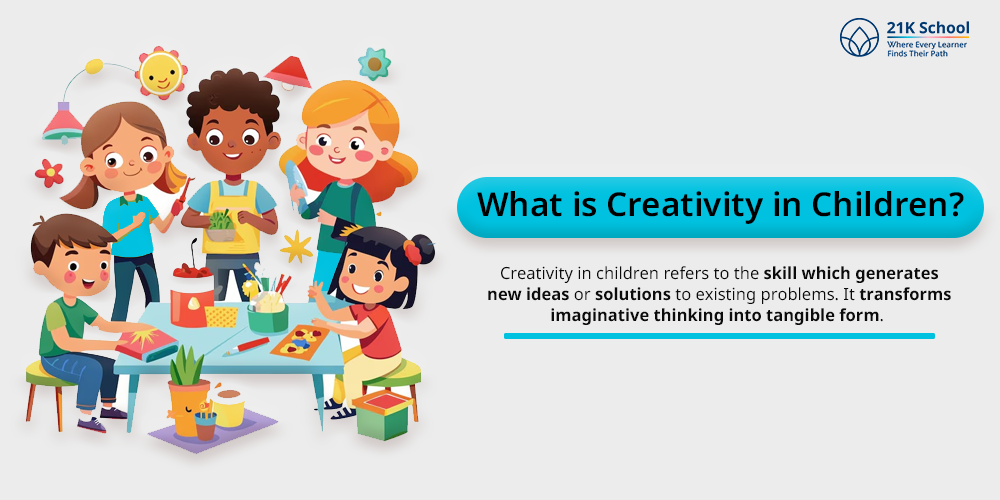
Art and crafthelp children think in new ways. They use their imagination to create unique things. This boosts creativityand makes learning fun.
Working with small tools like scissors and brushes improves motor skills. Kids learn to control their hands better. This helps with writing and other daily tasks.
Art activities also support brain growth. Children learn to solve problems and make decisions. These skills help in school and life.
Art lets kids share their feelings safely. Drawing or painting shows emotions they might not say. This encourages emotional expressionand builds confidence.
Credit: www.21kschool.com
Art And Craft’s Role In Learning
Art and craft help children solve problems. They learn to think carefully and find new ideas. Trying different ways to finish a project builds problem-solving skills. Mistakes become chances to learn and try again.
Concentration improvesas kids focus on small details. Sitting still and working on art helps them pay attention longer. This focus is useful for school and daily tasks.
Talking about their art supports language development. Children use new words to explain their work. Sharing ideas and stories builds speaking and listening skills.
Social Skills Through Art
Art and craft help children work well with others. They learn teamworkby sharing ideas and tools. Group projects teach kids to wait their turn and listen carefully.
Talking about their artwork builds communication skills. Kids explain what they made and why. This helps them use words better and feel confident speaking.
Creating art together encourages empathy. Children understand friends’ feelings by seeing their work. They learn to respect different thoughts and emotions.
Credit: www.21kschool.com
Types Of Art And Craft Activities
Drawing and paintinghelp children express their feelings and ideas. These activities improve hand-eye coordinationand fine motor skills. Kids learn to mix colors and create shapes. It also boosts imaginationand creativity.
Sculpting and modelinguse clay, playdough, or other soft materials. These tasks build muscle strengthin fingers and hands. Children learn about 3D shapesand textures. It encourages problem-solvingand patience.
Collage and mixed mediacombine different materials like paper, fabric, and glue. Kids explore different texturesand colorstogether. This activity helps with decision-makingand planning. It also enhances focusand creativity.
Incorporating Art Into Daily Routine
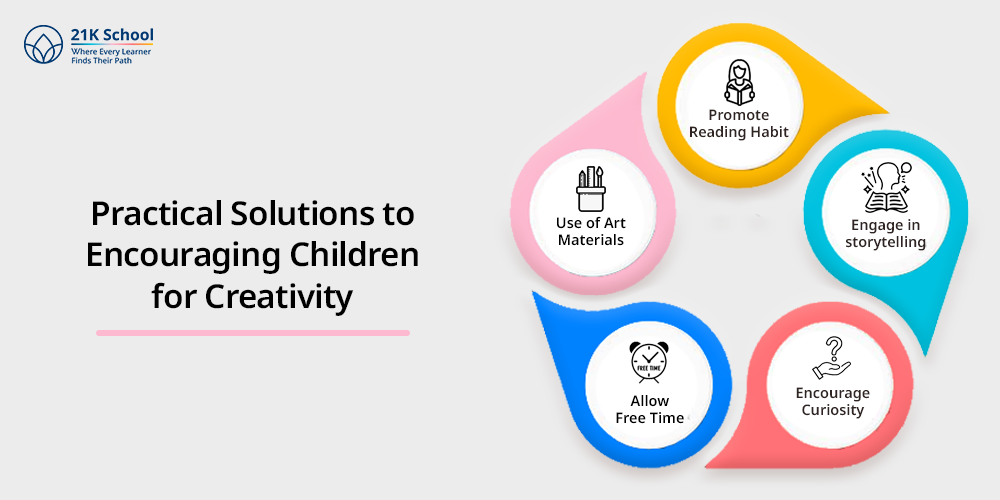
Creating a creative spacehelps children feel free to express ideas. Use a quiet corner with good light. Keep art tools like crayons, paper, and scissors nearby. A special place makes art time fun and focused.
Choosing age-appropriate materialskeeps kids safe and interested. Younger children need big crayons and thick paper. Older kids enjoy paint sets and colored pencils. Materials should match their skills and interests.
Encouraging regular practicebuilds confidence and skill. Set a daily or weekly art time. Praise efforts, not just results. Small steps lead to big growth.
Supporting Art And Craft At Home And School
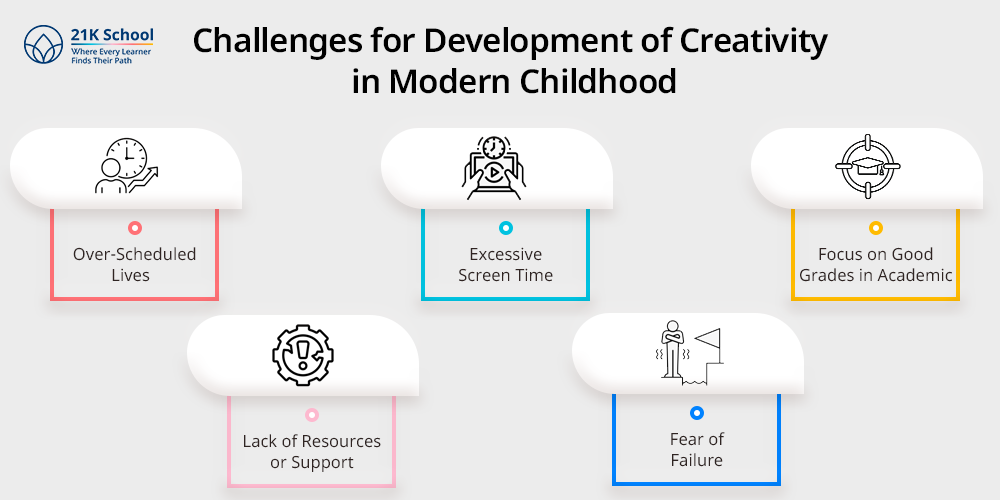
Parents and teachersplay a big role in helping children enjoy art and craft. They can give kids supplieslike colors, paper, and glue. Encouraging kids to try new things builds their confidenceand creativity. Praise and support help children feel proud of their work.
Schools can add artto lessons. Drawing or painting can explain ideas in mathor science. Art helps children remember better and think in new ways.
Organizing art shows or craft fairs lets children share their work. It teaches them to expressfeelings and communicate. Seeing their art on display makes kids feel specialand valued.
Credit: www.21kschool.com
Frequently Asked Questions
How Does Art And Craft Boost Child Creativity?
Art and craft activities encourage children to explore ideas freely. This enhances their imagination and problem-solving skills. Creative expression through art helps children think outside the box and develop unique solutions, fostering overall cognitive growth.
What Skills Do Children Develop Through Art And Craft?
Children develop fine motor skills, hand-eye coordination, and concentration. Art projects also improve decision-making and emotional expression. These skills are essential for academic success and social interaction, making art a crucial part of child development.
Can Art And Craft Improve A Child’s Emotional Health?
Yes, art provides a safe outlet for children to express feelings. It reduces stress and enhances self-esteem by promoting a sense of accomplishment. Regular engagement in creative activities supports emotional resilience and mental well-being.
Why Is Art Important For Child Brain Development?
Art stimulates both brain hemispheres, improving memory and critical thinking. It enhances neural connections, boosting learning capacity. Early exposure to art supports cognitive development and academic performance by strengthening brain functions.
Conclusion
Art and craft help children learn in many ways. They grow their creativity and solve problems better. These activities also teach focus and patience. Children feel happy and proud when they create something. Art and craft improve hand skills and hand-eye coordination too.
They also help children express feelings without words. Giving kids time for art supports their overall growth. It builds skills that last a lifetime. A simple brush or paper can make a big difference. Let children explore art and craft every day.
It truly shapes their minds and hearts.