Are you curious about trying resin crafts but don’t know where to start? Resin crafting can seem tricky at first, but with the right guidance, you’ll be creating beautiful, glossy pieces in no time.
This article is packed with easy-to-follow tutorial videos designed especially for beginners like you. You’ll discover simple projects, step-by-step instructions, and insider tips that make learning resin art fun and stress-free. Whether you want to make personalized coasters, shiny jewelry, or decorative charms, these videos will help you turn your ideas into stunning reality.
Ready to unlock your creative potential with resin? Keep reading and watch your crafting skills grow!

Getting Started With Resin
Starting with resin crafts opens a world of creative possibilities. Resin is a liquid that hardens into a clear, shiny surface. It lets you make beautiful jewelry, coasters, and art pieces. Beginners find resin easy and fun to work with. This guide helps you prepare for your first project. Follow simple steps and enjoy crafting with resin.
Learning the basics makes your experience smooth and safe. Knowing what supplies to use and how to handle resin is important. Let’s explore the essentials for getting started with resin.
Essential Supplies
Gathering the right supplies saves time and frustration. You need resin and hardener, usually sold as a kit. Silicone molds help shape your project easily. Mixing cups and stir sticks are necessary for blending. Gloves protect your hands from sticky resin. A heat gun or torch removes bubbles for a clear finish. Prepare a clean workspace covered with paper or plastic.
Choosing The Right Resin
Pick resin based on your project type. Epoxy resin is popular for crafts and jewelry. It cures clear and lasts long. Polyester resin is less common but cures faster. UV resin hardens with light and suits small items. Check curing time and working time before buying. Look for resin with low odor to work comfortably indoors. Read product reviews to find beginner-friendly resins.
Safety Tips
Resin can cause irritation or allergic reactions. Always wear gloves to protect your skin. Work in a well-ventilated area to avoid fumes. Keep resin away from children and pets. Avoid touching your face while working. Use a mask if you feel sensitive to smells. Clean spills immediately with alcohol. Dispose of waste resin properly to protect the environment.
Basic Techniques
Starting resin crafts can be exciting and fun. Learning the basic techniques builds a strong foundation. These skills help you create beautiful and lasting pieces. The first steps involve mixing resin, pouring it carefully, and adding colors or effects.
Mixing Resin And Hardener
Mix resin and hardener in the right ratio. Usually, this is one part hardener to one part resin. Use a clean cup and stir slowly. Stirring too fast can create bubbles. Mix thoroughly for a few minutes. This ensures the resin cures properly and hardens well.
Pouring Methods
Pour resin slowly to avoid air bubbles. You can pour directly into molds or onto flat surfaces. Use a toothpick or stick to spread resin evenly. For thin layers, pour a small amount at a time. Experiment with different pouring styles for unique looks.
Adding Color And Effects
Add color using resin dyes or mica powders. Mix the color into resin before pouring. You can also add glitter or small objects for effects. Layer colors for a marble or ombre style. Use alcohol inks for vibrant and fluid patterns.
Simple Projects For Beginners
Starting resin crafts is easier with simple projects. Beginners can create beautiful items without stress. These projects teach basic techniques and build confidence. Each project uses easy-to-find materials and straightforward steps. You can enjoy making art while learning resin skills.
Making Resin Coasters
Resin coasters are great for beginners. Use silicone molds in popular shapes like circles or squares. Mix resin with colorants such as alcohol inks or mica powders. Pour the resin into molds and let it cure. These coasters protect surfaces and look stylish on tables.
Creating Resin Jewelry
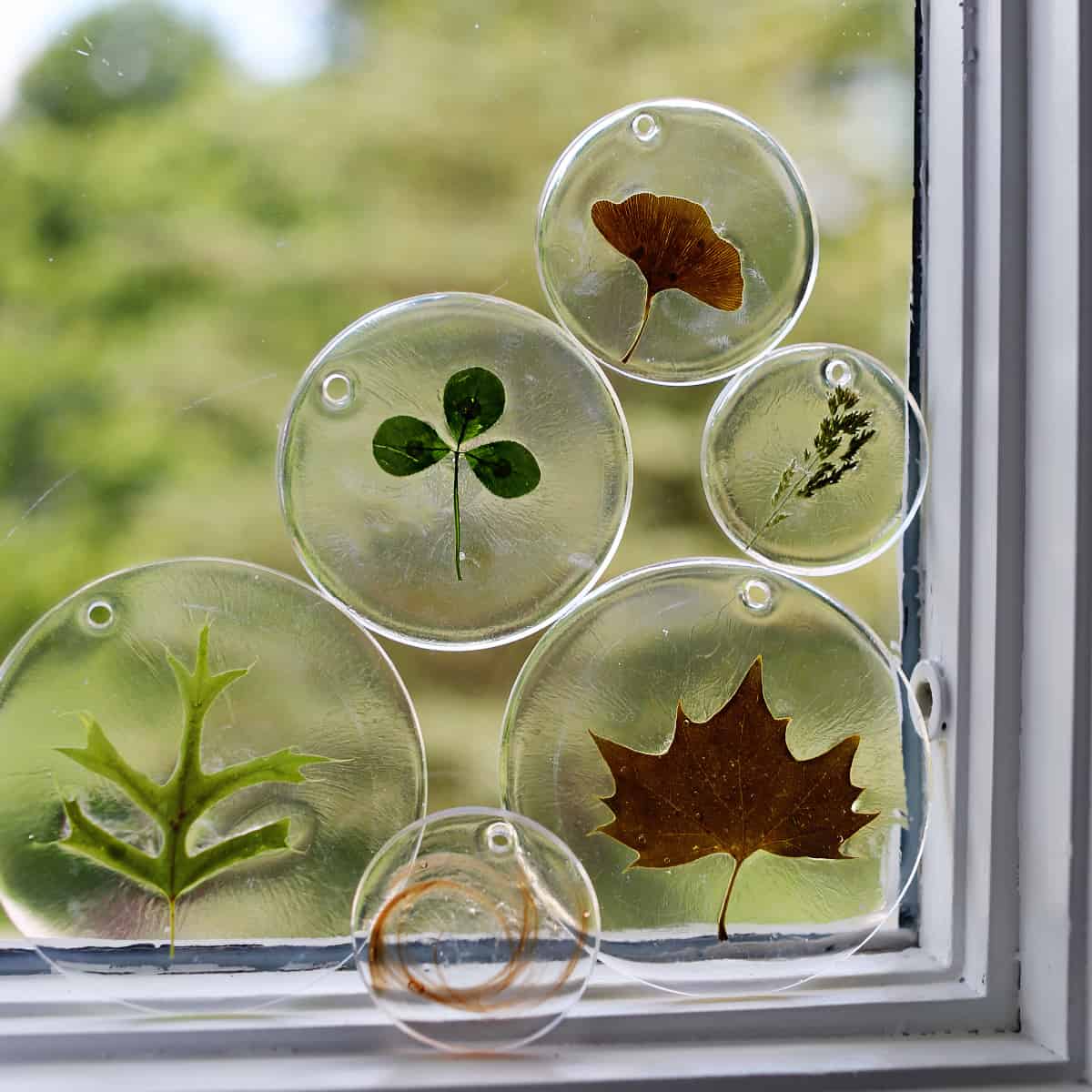
Jewelry making is a fun resin project. Choose small molds for pendants, earrings, or rings. Add glitter or dried flowers inside the resin for a personal touch. After curing, attach jewelry findings like hooks or chains. This project results in wearable, unique art pieces.
Crafting Decorative Trays
Decorative trays combine function and beauty. Use shallow molds or wooden tray bases. Pour resin mixed with pigments or embed small objects. Let the resin set fully before use. These trays brighten any room and hold items like keys or makeup.
Troubleshooting Common Issues
Troubleshooting is an important skill for resin crafters. Problems can slow down your project or affect the final look. Many beginners face common issues. Knowing how to fix them saves time and materials. This section covers three key problems in resin crafting.
Preventing Bubbles
Bubbles form when resin traps air during mixing or pouring. They can spoil the smooth finish of your piece. To prevent bubbles, mix resin slowly and gently. Avoid whipping air into the mixture. Use a heat gun or torch over the surface to pop bubbles after pouring. Warm resin also helps bubbles rise and disappear. Work in a warm room for best results.
Avoiding Sticky Surfaces
Sticky surfaces happen if resin does not cure fully. This can be caused by wrong mixing ratios or low temperature. Always measure resin and hardener carefully. Mix thoroughly for the recommended time. Keep your workspace warm and dry. Avoid humidity during curing because moisture affects the resin. If your surface stays sticky, let it cure longer or apply a thin layer of fresh resin.
Dealing With Uneven Cures
Uneven cures show as soft spots or cloudy areas on your resin piece. These occur from poor mixing or inconsistent temperature. Stir resin well to blend hardener and resin evenly. Use a stable heat source or warm room to cure resin. Avoid moving or disturbing your project while it cures. Uneven curing can ruin your design and weaken the craft.
Advanced Tips And Tricks
Diving deeper into resin crafts opens new creative paths. Advanced tips help you improve your skills quickly. These tricks add texture, shine, and depth to your projects. They make your resin pieces stand out beautifully. Explore how to use mica powders, layering methods, and safe embedding.
Using Mica Powders And Glitter
Mica powders add a soft shimmer to resin. Mix small amounts for subtle color shifts. Use a toothpick to swirl colors gently. Glitter brings sparkle and fun to your crafts. Choose fine glitter for smooth finishes. Mix glitter evenly to avoid clumps. Both mica and glitter work well in clear resin.
Layering Techniques
Layering creates depth and interesting effects in resin. Pour thin layers and let each cure fully. Add colors or objects between layers for surprises. Use a heat gun to remove bubbles after each pour. Thin layers dry faster and reduce mistakes. Patience is key to successful layering.
Embedding Objects Safely
Embedding objects adds personality to resin art. Use dried flowers, small charms, or beads. Make sure items are completely dry to avoid cloudiness. Seal porous objects with clear glue before embedding. Place objects carefully to avoid air pockets. Pour resin slowly to cover objects without moving them.
Caring For Resin Crafts
Caring for resin crafts helps keep your creations beautiful and long-lasting. Resin pieces need gentle handling and proper upkeep to maintain their shine and strength. Simple care routines can prevent damage and keep colors vibrant. This section covers key tips on cleaning and storing resin crafts effectively.
Cleaning And Maintenance
Use a soft cloth to clean resin crafts. Avoid harsh chemicals that can dull the surface. Mild soap and water work best for dirt or fingerprints. Gently wipe the surface without scrubbing hard. Dry the piece with a dry cloth to avoid water spots. Regular cleaning keeps resin looking clear and shiny. Handle your crafts with care to prevent scratches or cracks.
Storage Recommendations
Store resin crafts in a cool, dry place away from direct sunlight. Sunlight can cause yellowing or fading over time. Keep pieces away from heat sources that may warp the resin. Use soft fabric or bubble wrap to protect delicate items. Avoid stacking heavy objects on resin crafts to prevent damage. Proper storage helps maintain the shape and color of your resin art.
Selling Your Resin Art
Selling your resin art is a great way to share your creativity and earn money. Many beginners turn their hobby into a small business. It takes planning to make your art stand out. Understanding what sells, how to price your items, and ways to market them is key. This section guides you through these important steps.
Popular Products To Sell
Resin coasters are a top choice for beginners. They are easy to make and popular with buyers. Jewelry like earrings and pendants also sell well. Small trays and keychains attract customers who want unique gifts. Think about making items that combine beauty and use. Personalized designs often catch more attention.
Pricing Strategies
Start by calculating your material costs. Include resin, molds, pigments, and any tools used. Add time spent creating each piece. Check prices of similar resin crafts online. Set a price that covers costs and pays you fairly. Offer bundle deals to encourage larger purchases. Adjust prices based on demand and customer feedback.
Marketing Your Crafts
Use social media platforms to show your work. Post clear photos and videos of your resin art. Share your crafting process to engage viewers. Join online craft groups to connect with buyers. Participate in local markets and craft fairs. Create a simple website or online shop for easy ordering. Always respond quickly to customer questions.
Frequently Asked Questions
What Is The Best Beginner Resin Project?
The best beginner resin project is making coasters. Use silicone molds and add colors or glitter for easy, personalized results.
What Should You Not Put In Resin?
Avoid putting polyethylene, polypropylene, Teflon, and silicone in resin. These materials prevent proper adhesion and curing. Also, avoid wet or oily items as they cause bubbles and weak bonds. Organic materials like fresh flowers may decay inside resin, ruining the final piece.
How To Start Resin Art As A Beginner?
Start resin art by gathering resin, hardener, molds, and protective gear. Mix resin and hardener thoroughly. Pour into molds, add colors or glitter, and let it cure completely. Practice simple projects like coasters to build skills and confidence.
What Kind Of Resin Art Sells The Most?
Jewelry, especially resin earrings, sells the most due to high profit margins. Coasters and decorative trays also sell well by combining function and beauty.
Conclusion
Resin crafts offer a fun and creative way to make beautiful items. Beginner tutorial videos guide you step-by-step through each project. Simple projects like coasters help build confidence quickly. Using basic tools and safe techniques keeps crafting easy and enjoyable.
Practice regularly to improve your skills and try new designs. Enjoy the process and express your creativity with resin art. Start small, stay patient, and watch your crafts grow. Resin crafting is a rewarding hobby anyone can learn.